Architectural Story Art
Turn photos into architectural story art
Architectural Story Art
Turn photos into architectural story art
Showcase
海景大平层建筑插画生成
斯堪的纳维亚风格 · 建筑叙事插画(1:1)
海景大平层建筑插画生成
斯堪的纳维亚风格 · 建筑叙事插画(1:1)
Description
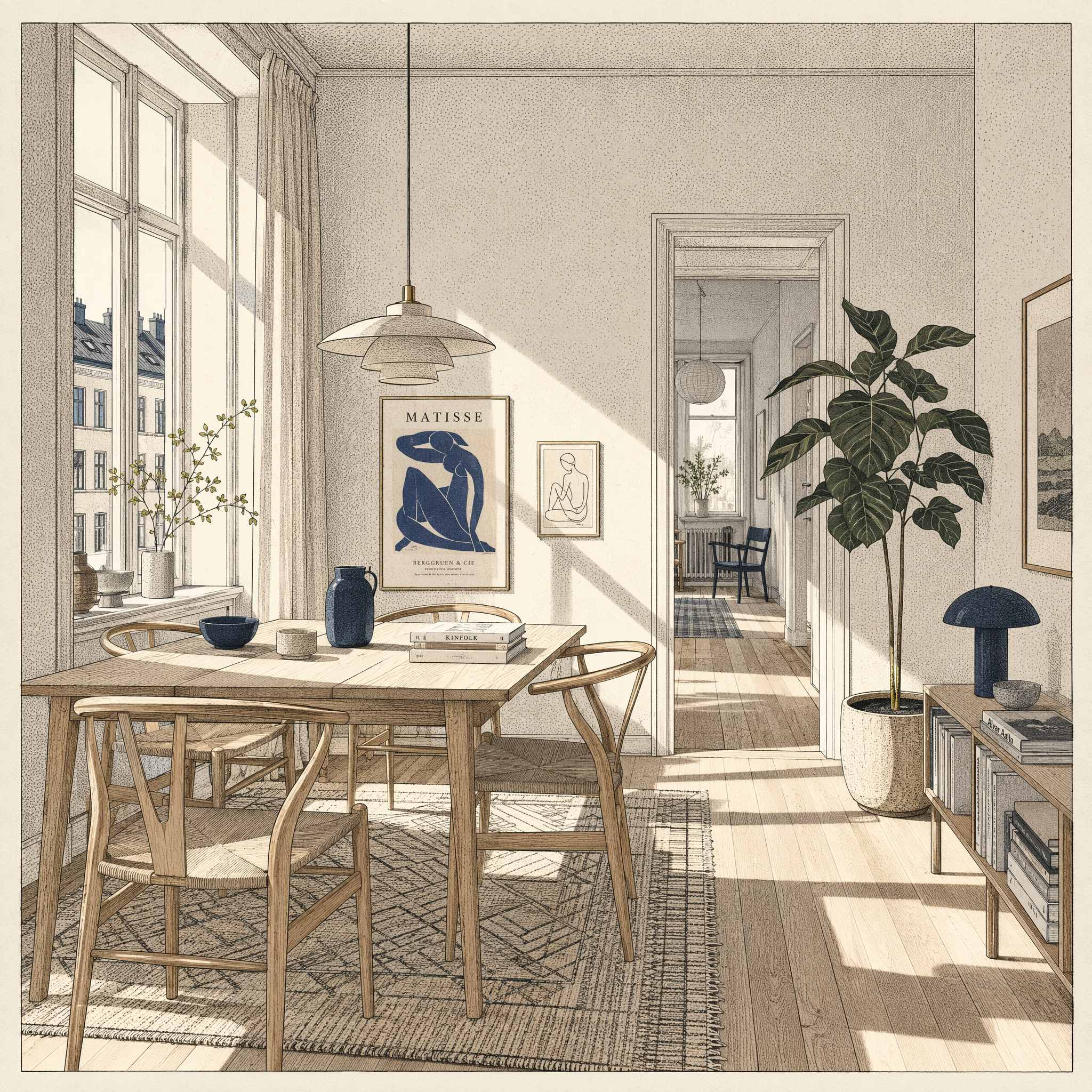
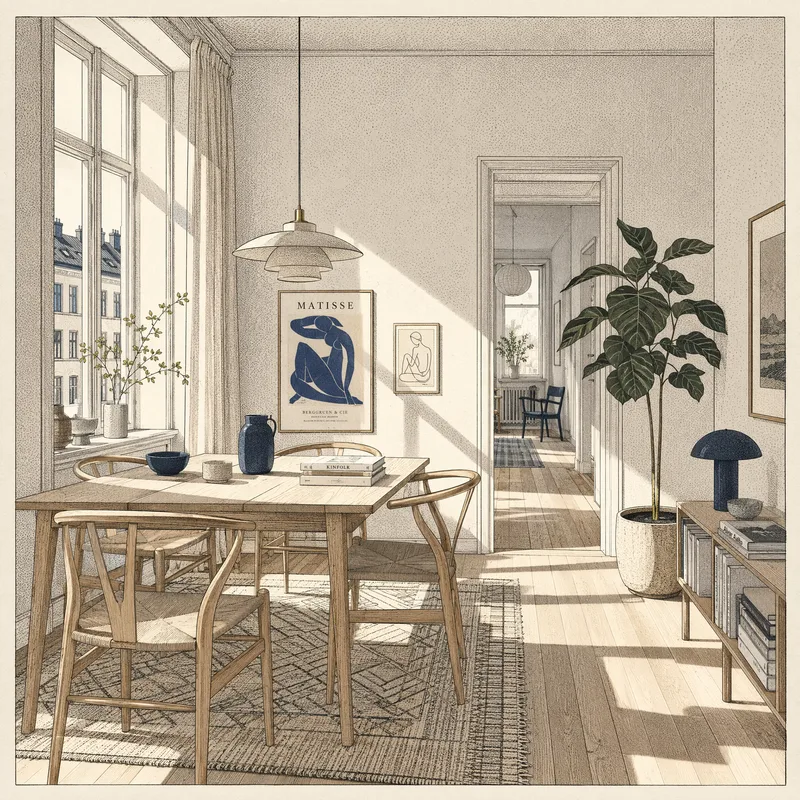
Transforms real photos or natural-language descriptions into architectural illustrations that combine the precision of architectural drawings with a narrative atmosphere. Suitable for interior spaces, building exteriors, landscapes, still lifes, and people scenes. Whether it’s a living room, study, gallery, or urban building, it can preserve the original composition and relationships between key objects, or reorganize them from text into clear spatial layers and visual focal points. Fine linework, crosshatching, and halftone textures define structure and materials, combined with strongly directional sunlight, hard-edged geometric shadows, and distinct projected beams of light. The image uses flat color blocks and a printmaking feel, with an overall palette of cream white, warm beige, ochre, terracotta, and warm wood tones. Small accents of highly saturated deep red, royal blue, emerald green, or indigo add focal points, avoiding photorealism and soft gradients. Rich elements such as plants, patterned rugs, art walls, books, staircases, arches, and large windows can be naturally integrated according to the scene, adding a sense of life and cultural atmosphere while maintaining visual order. Each generation produces one image along with a reusable English prompt, making it easy to continue refining the style, colors, and spatial expression.
Recommended by
淡苍
Why we love this skill
Combines architectural precision, narrative atmosphere, detailed linework, halftone shading, hard-edged sunlight, and restrained yet vivid color to give indoor and outdoor scenes a distinctive cultural and dreamlike quality.
Best for
For anyone who wants to turn a space, building, or scene into an illustration with drafting detail, narrative atmosphere, and printmaking texture.
How to use this Skill
Provide your input
Provide a photo or describe an architectural, interior, landscape, still-life, or people scene. You can also include aspect ratio, composition, lighting, and color preferences.
Run the Skill
Transforms the input into an architectural story illustration with fine linework, printmaking texture, flat color blocks, directional light, and hard-edged geometric shadows.
Review your result
Generates one architectural story illustration with a reusable English prompt for further adjustments to style, color, and spatial expression.
Related Skills
View all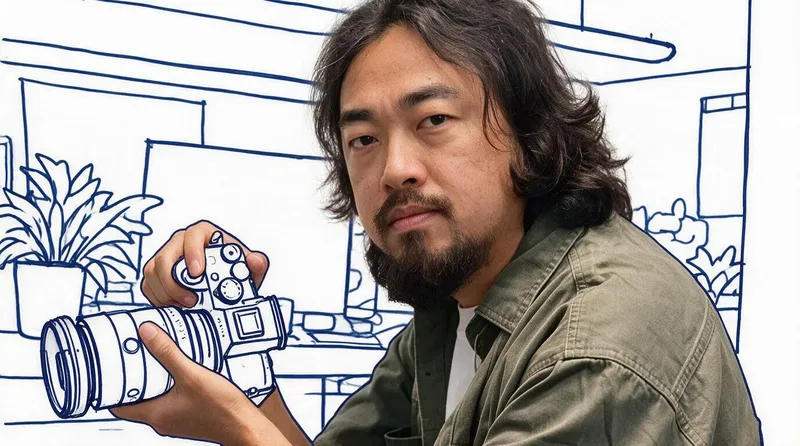 Image
ImageReal-Person Doodle Portrait
Blend your real-person photo into a room or scene drawn with bold hand-drawn lines, creating a creative portrait that places a real person alongside a doodle environment. The person retains realistic photographic texture, facial features, clothing, and lighting, while the environment uses monochrome marker sketches to outline furniture, walls, and spatial contours. The result creates a striking visual effect of a “real person floating in a line-art world,” making it suitable for profile pictures, social cards, and stylized portrait artwork. You can upload a headshot, half-body photo, or full-body photo, then describe the living room, bedroom, study, café, studio, balcony, or other scene you want, along with the person’s clothing, pose, and expression. If you only have a headshot, the image can complete the body and place it in the specified space. If the original photo already includes a real environment, you can also keep the person unchanged while converting the background furniture, floor, walls, or street scene into a simple doodle line drawing, while maintaining the original composition. Deep ocean blue, burgundy, charcoal black, and other line-art colors are supported, with suitable aspect ratios matched to indoor portraits, open outdoor scenes, sports, or spacious environments. The setting will not be filled with excessive detail. Instead, it selects a few key objects and preserves negative space, making the contrast between the real person and the hand-drawn room clearer and more thoughtfully designed.
 Image
ImageMasterful Classical Sketches
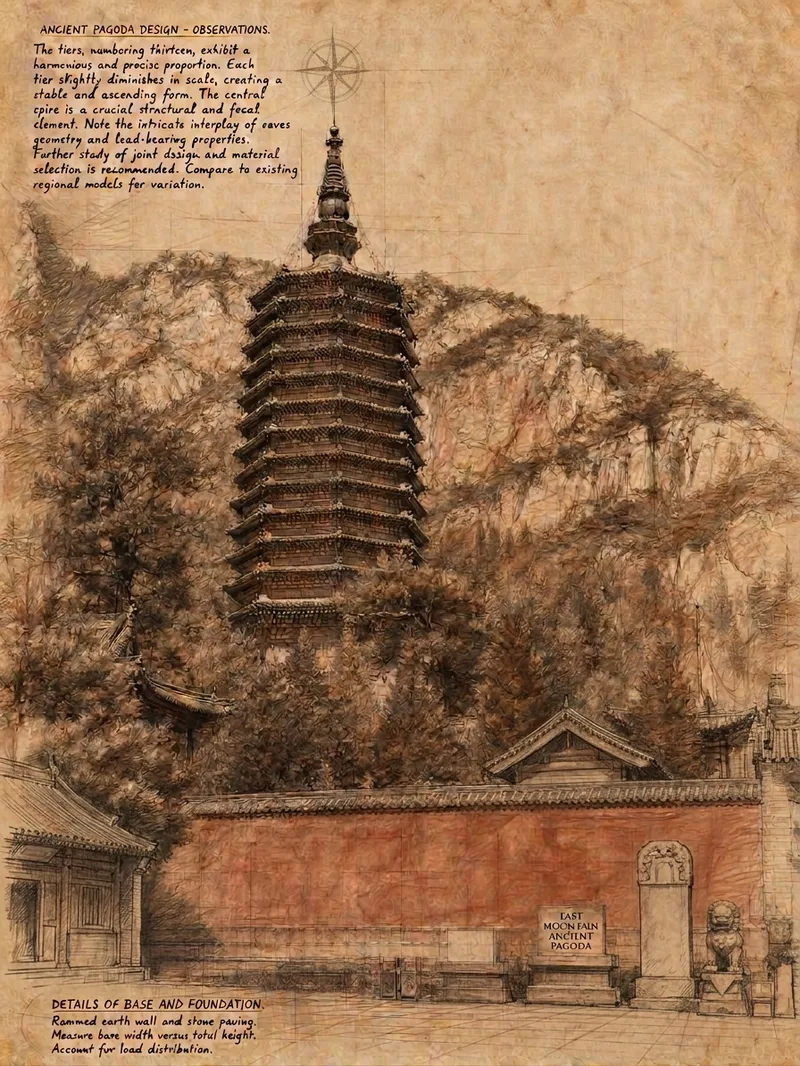
Transform people, portraits, or scenes into highly refined sketch illustrations with a classical artistic character—ideal for creators seeking a sense of history, narrative, and collectible visual quality. Each work emphasizes precise form and anatomy while preserving expressive hand-drawn lines, making the subject feel both believable and alive with the breathing presence of an artist creating on the spot. The image combines a classical palette of dark charcoal and warm reddish-brown sanguine, using delicate hatching, cross-hatching, blended shadows, and rhythmic construction lines to convey light and volume. Key facial features, hands, and body structures remain clear and strong, while edges retain a touch of spontaneity and incompleteness, creating a sketch style that balances careful observation with free-flowing marks. The background uses the texture of classic handmade paper in beige or light gray, with natural fibers, subtle grain, and a sense of age. Each piece feels like a historic artist’s manuscript or a museum treasure. Whether it’s a portrait, a face full of story, or an atmospheric scene, the result is a classical charcoal-and-sanguine illustration far removed from the look of modern photography.
 Image
Imagexiaoxiaodong P120 Concepts
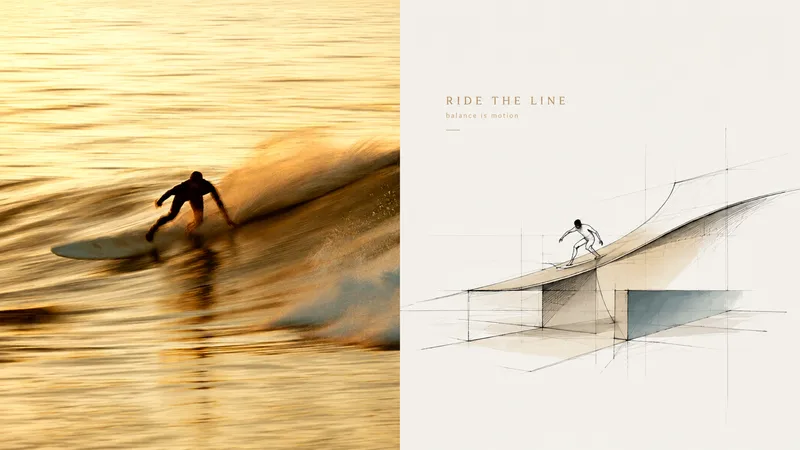
Want to turn a photo into a concept image with a sense of design exploration, without ending up with a fully rendered scene that traces every object? Panel 120 preserves the photo’s identity and spatial memory, distilling its key forms, outlines, and relationships into loose, freehand perspective linework. A few color blocks, geometric guide lines, and generous areas of blank space come together to form the work. Ideal for these situations Architectural, spatial, travel, or object photos need to become concept sketches with an editorial sensibility. The original composition is weak, the background is cluttered, or the subject is small, and you want to reorganize the visual focus through reduction, recomposition, and changes in scale. You want to preserve recognizability and spatial relationships while avoiding full-frame coloring or photorealistic renderings. The same style needs to be delivered in vertical, horizontal, design-only, wallpaper, and catalog batches. What it solves for you Remove backgrounds and secondary objects, leaving the core forms and visual memory points that represent the subject. Use relaxed, restrained, slightly repetitive perspective lines and a few construction lines to express design exploration. Make blank space part of the composition instead of filling the frame with decoration or color blocks. The comparison image contains exactly two equal sections; each source image is generated independently to avoid secondary stylization.
Information
- Version
- v5
- Last updated
- Runtime credits
- Usage-based
- Models
- Auto
- Use cases
- Images & design
- What you get
- ImagePrompt
- Visual styles
- FlatPrintmaking