Cthulhu Black-and-White Prints
Turn text or images into eerie Cthulhu-style prints
Cthulhu Black-and-White Prints
Turn text or images into eerie Cthulhu-style prints
Showcase
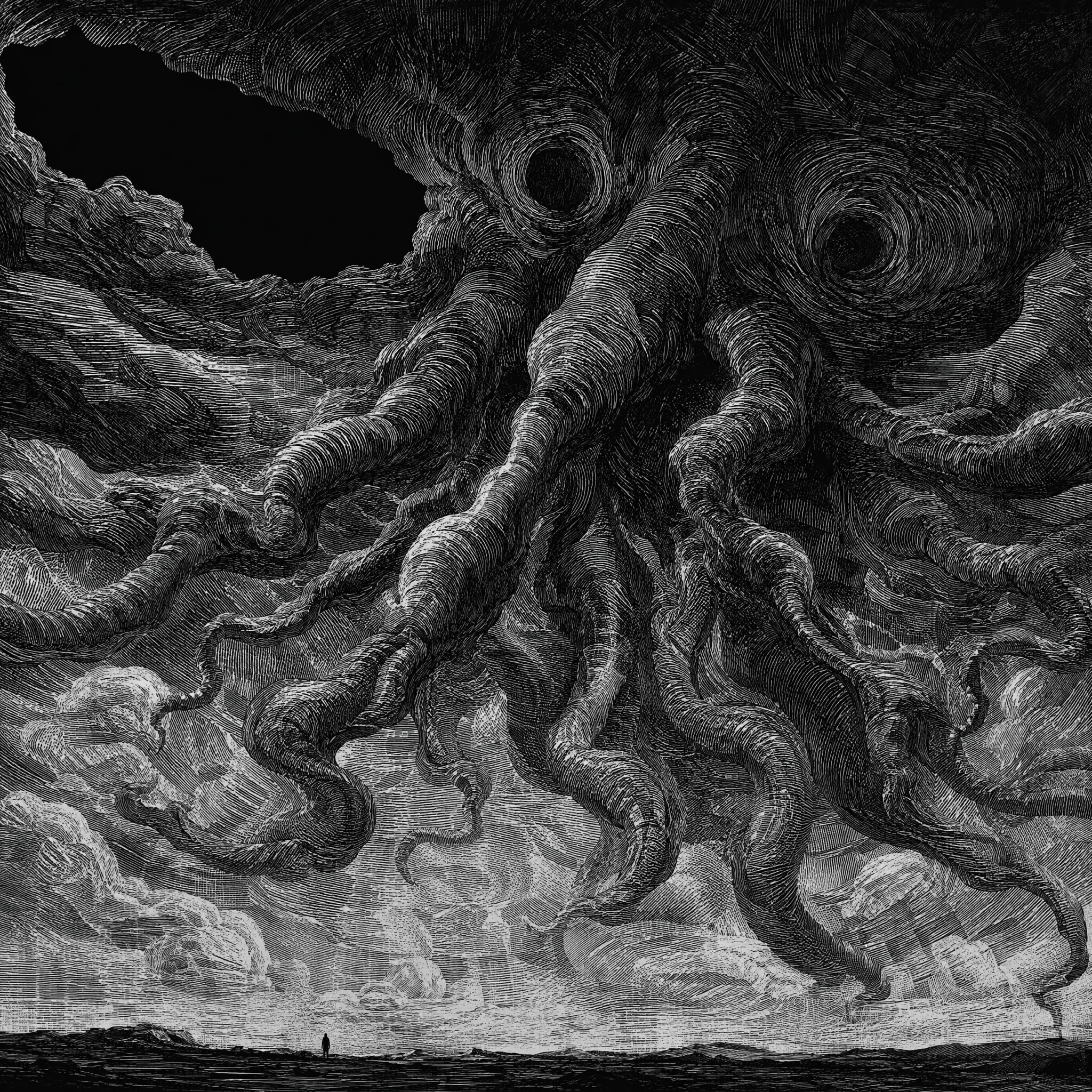
克苏鲁版画:触手吞噬人类
克苏鲁黑白版画:自天而降的触须
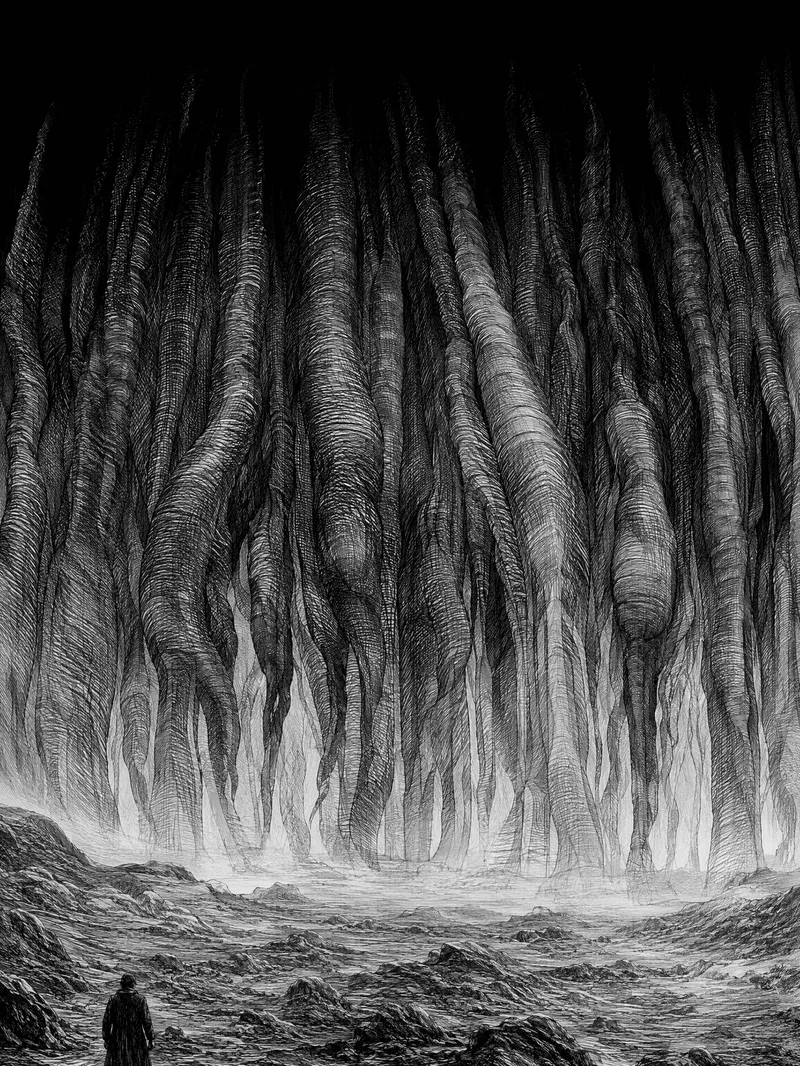
克苏鲁版画:触手吞噬人类
克苏鲁黑白版画:自天而降的触须
Description
Turn written imagery or reference images into eerie Cthulhu-style black-and-white print illustrations. The goal is to create the unease of “a world malfunctioning,” rather than plainly depicting a recognizable monster. Whether the setting is a ruin, coastline, interior, or unfamiliar landscape, it is reorganized into an anomalous scene that is difficult to name, with an uncertain scale and purpose—ideal for atmospheric illustrations, horror concept art, and supernatural visual concepts. The core style draws on woodcuts, scraperboard art, and pure black-and-white line engraving. Dense hatching, stark contrast, misty depth, and irregular solid-black areas create a sense of oppression. The subject often supports two contradictory interpretations of its material or form at once. Spatial dislocation, distorted scale, and illogical lines remain embedded in the details, making it difficult for viewers to determine what they are seeing at a glance. You can specify the aspect ratio, whether monsters or text appear, the number of images to generate, and which elements of the composition and atmosphere to preserve. You can also upload one or more reference images to guide the style, subject, composition, or mood. Unless otherwise specified, the default is a vertical black-and-white print, one image, no clearly recognizable monster or text, and an effort to preserve an indescribable Cthulhu-horror effect.
Recommended by
淡苍
Why we love this skill
Transforms any idea into a “world malfunction” through stark scraperboard prints, conflicting materials, unrendered black areas, and displaced hatching—with consistent visual language and reference-guided refinement.
Related Skills
View all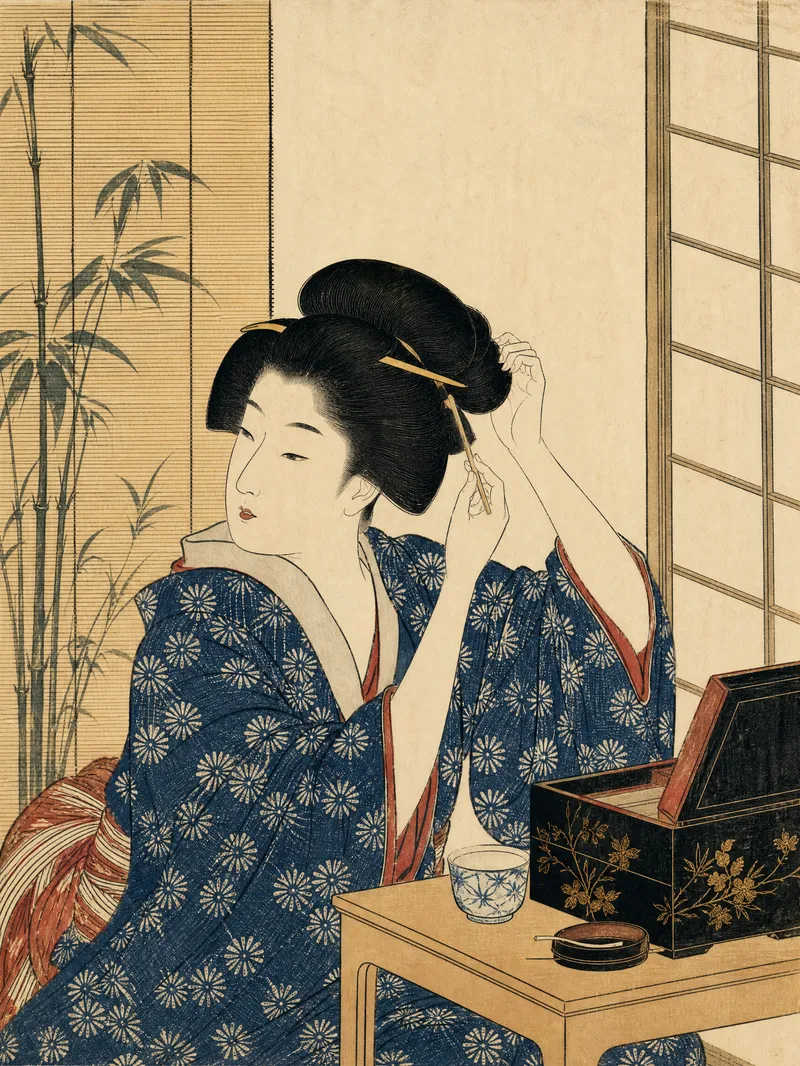 Image
ImageJapanese Ukiyo-e Woodblock Art
Turn text descriptions or photos into images with the traditional character of Japanese ukiyo-e woodblock prints. Preserve a person’s core identity, posture, and relationship to the setting while translating poetry, stories, and the mood of nature into clear visual narratives. Whether you’re creating a portrait, landscape, seasonal scene, or vertical image for social media, the composition will use an appropriate aspect ratio and visual focus. The artwork emphasizes asymmetrical composition, layered foreground, middle ground, and background, generous negative space, diagonal visual guidance, and expressive moments of movement and emotion. Natural atmosphere—such as rain, snow, mist, wind and waves, moonlight, mountains and water, pine and bamboo, and cherry blossoms—is highlighted without meaninglessly piling on symbols like samurai, Mount Fuji, or shrines. Photo inputs receive a moderate simplification of realistic lighting while preserving recognizable facial features, age, body type, clothing, and posture. The final image features clear, flowing black outlines, flat color blocks, restrained traditional tones such as indigo and ochre, and the texture of paper fibers, woodblock impressions, and hand-printed registration. It avoids photorealism, modern anime, 3D rendering, cyberpunk, and heavy oil-paint effects. Unless explicitly requested, no text, titles, captions, or watermarks will be added.
Light-and-Dark Zen Framing
Turn your written concept or reference image into a “light-and-dark framed Zen” scene: dark architecture or structures form a natural frame in the foreground, leaving an open, bright space within. A person or subject stands in the light at a small scale, as a silhouette or in muted colors, while crisp, elongated geometric shadows reinforce a sense of order and solitude. The overall style emphasizes high-contrast lighting, near-black shadows, restrained colors, ample negative space, and a tranquil, minimalist visual experience. It is suited to creating a meditative, ceremonial, and East Asian Zen atmosphere, while also extending to modern urban or Western classical settings. During generation, the architectural context is naturally matched to the subject’s identity, era, and cultural character—for example, a monk in a Zen temple corridor, a scholar in an academy, a samurai in a Japanese garden, a historical figure in a classical courtyard, or an urban professional in a glass-curtain-wall space—while preserving any scene you explicitly specify. For uploaded images, the composition can be reconstructed around a dark frame, bright area, subject in light, and long shadows while preserving the subject’s identity and approximate pose as much as possible. If the original image lacks spatial structure suitable for reconstruction, the style will not be forced onto it. Suitable for text-to-image, image-to-image, and style transfer; not suitable for highly saturated color images, standard black-and-white filters, or photo-realistic commercial portraits.
 Image
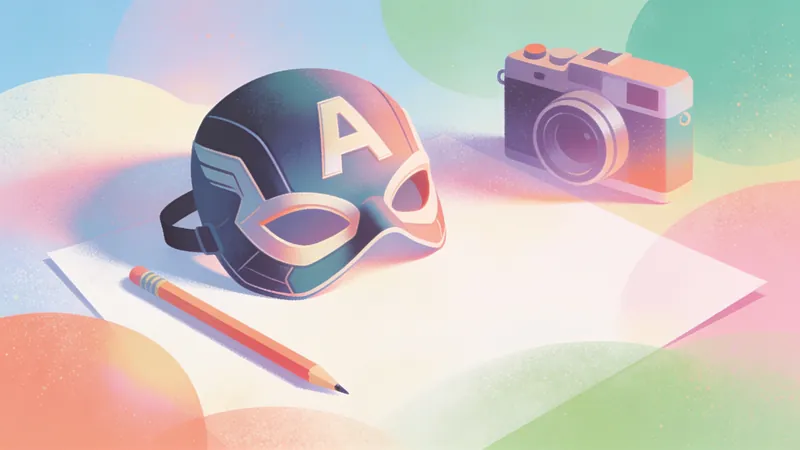
ImageAmerican Comic Art Generator
Transform written ideas, portrait photos, or ordinary images into illustrations with a distinctive American comic-book style. Create profile images, character posters, scene concept art, and comic-inspired visuals. From superhero action and character portraits to atmospheric city scenes, the skill preserves the subject’s defining features and visual focus while adding the energy of American comics. Choose a classic, modern, or cartoon American comic style, or provide a favorite comic artist or work as a visual reference. If you have no specific preference, the system selects a suitable comic sub-style based on the subject, action, and mood. The composition can be adapted for profile images, character illustrations, banners, or posters, with visual elements such as bold black linework, halftone textures, dramatic lighting, motion lines, and a comic-panel feel. For portrait photos, the skill aims to preserve facial features, recognizability, and the subject’s overall appearance. For ordinary images or illustrations, it redraws the core content in an American comic style while keeping the main subject intact. After generation, it also considers subject consistency, stylistic expression, and compositional balance, and provides the finished comic-style image along with a brief explanation of the style and composition.