Shadow Subject Film Style
Turn photos into muted film-shadow art
Shadow Subject Film Style
Turn photos into muted film-shadow art
Showcase
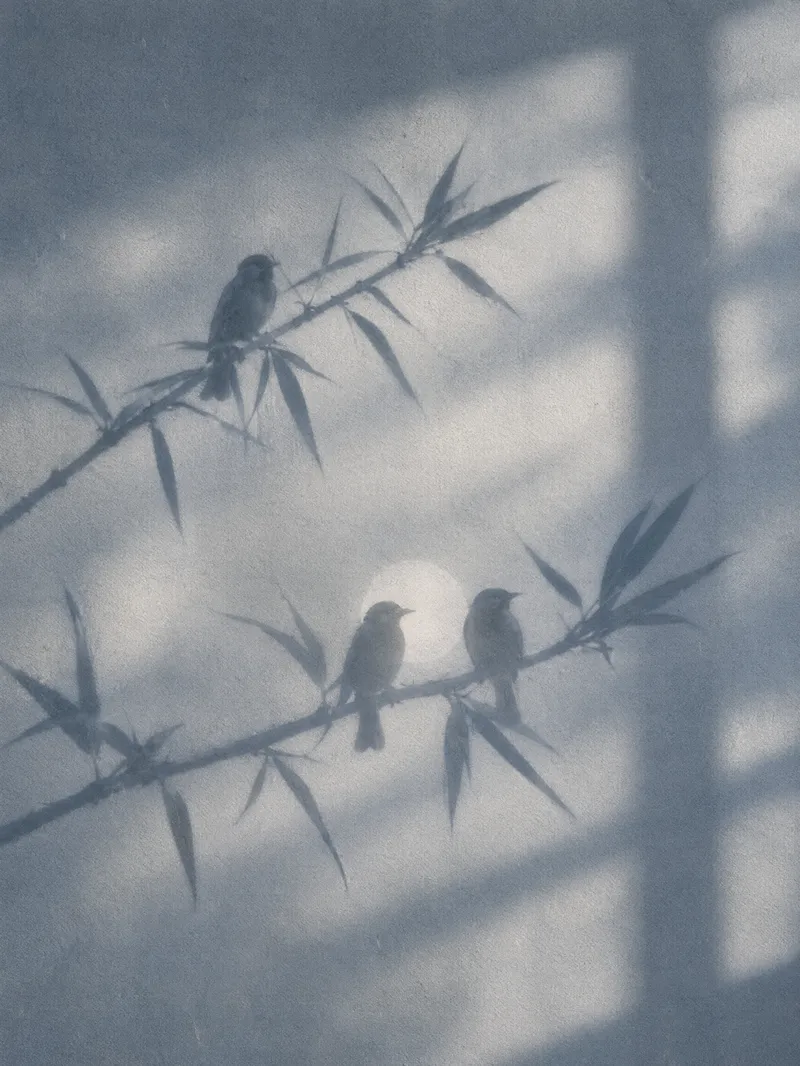
Description
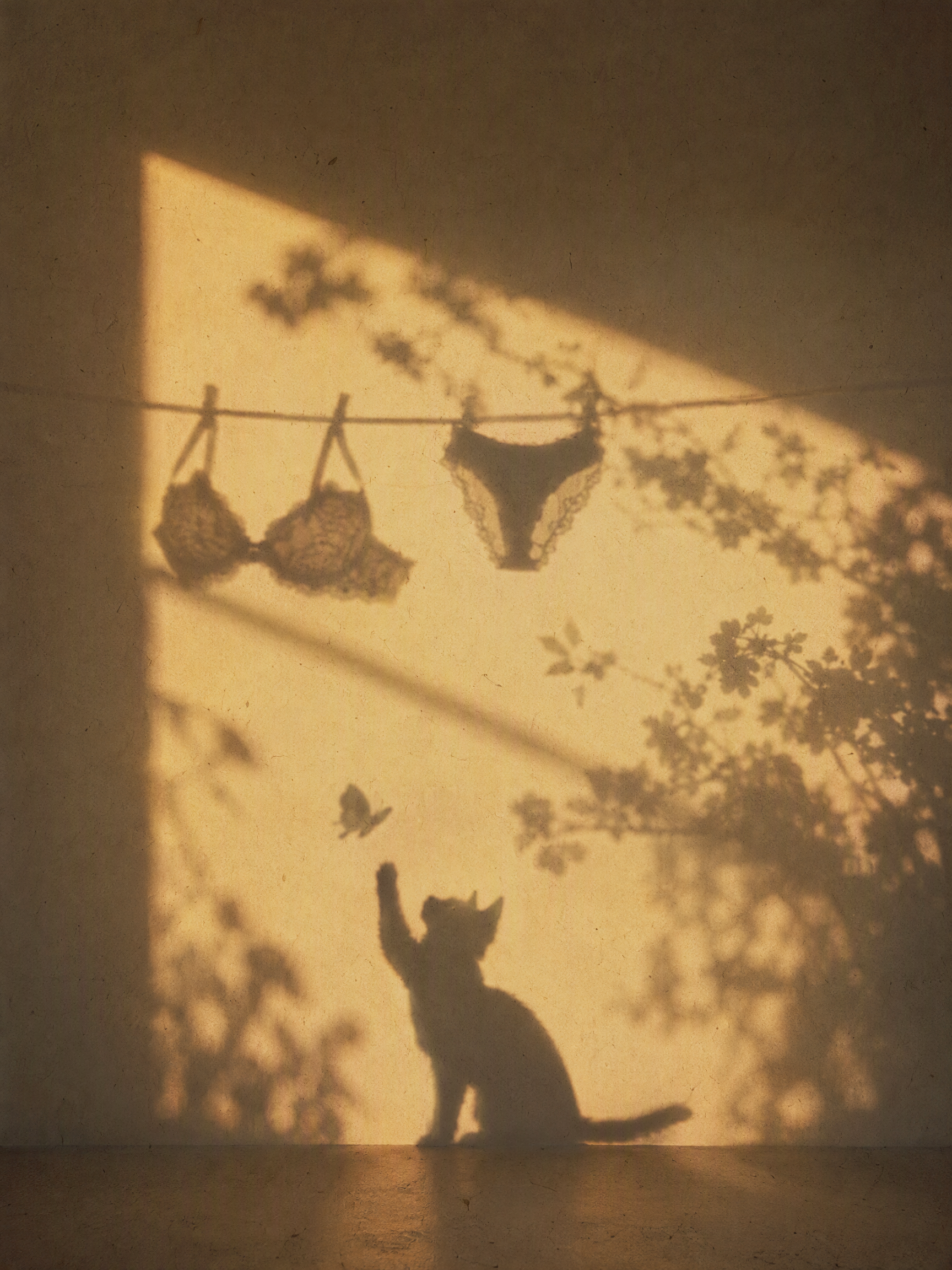
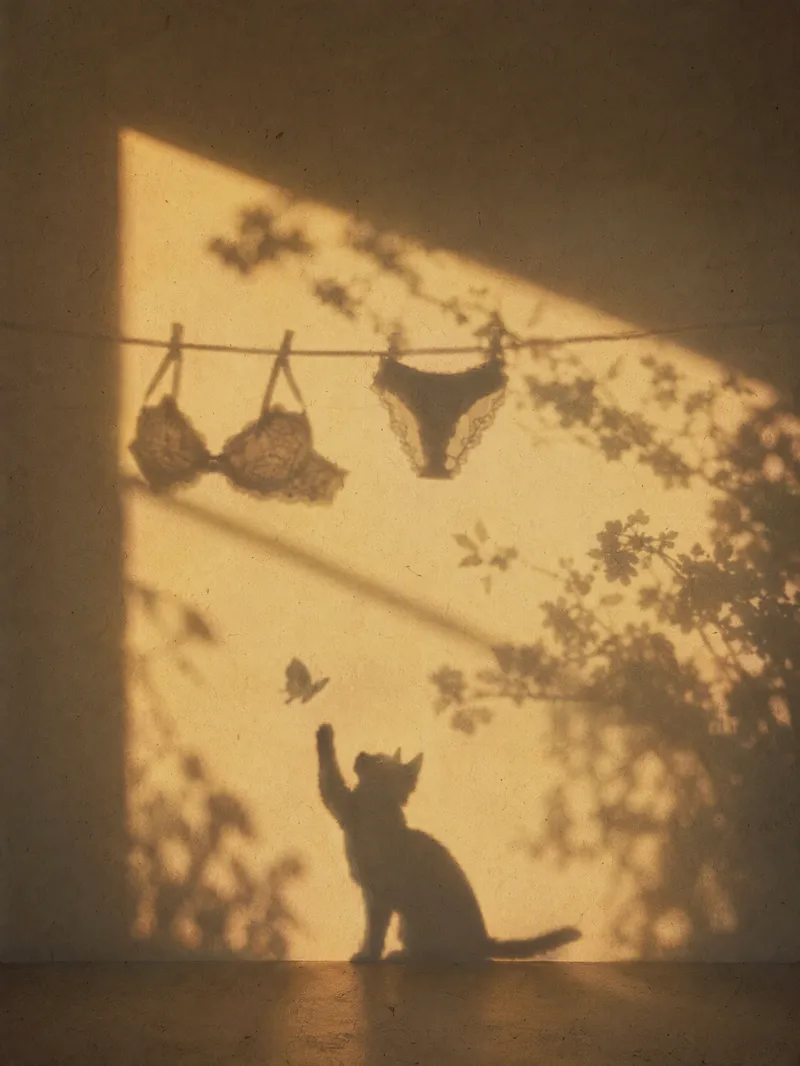
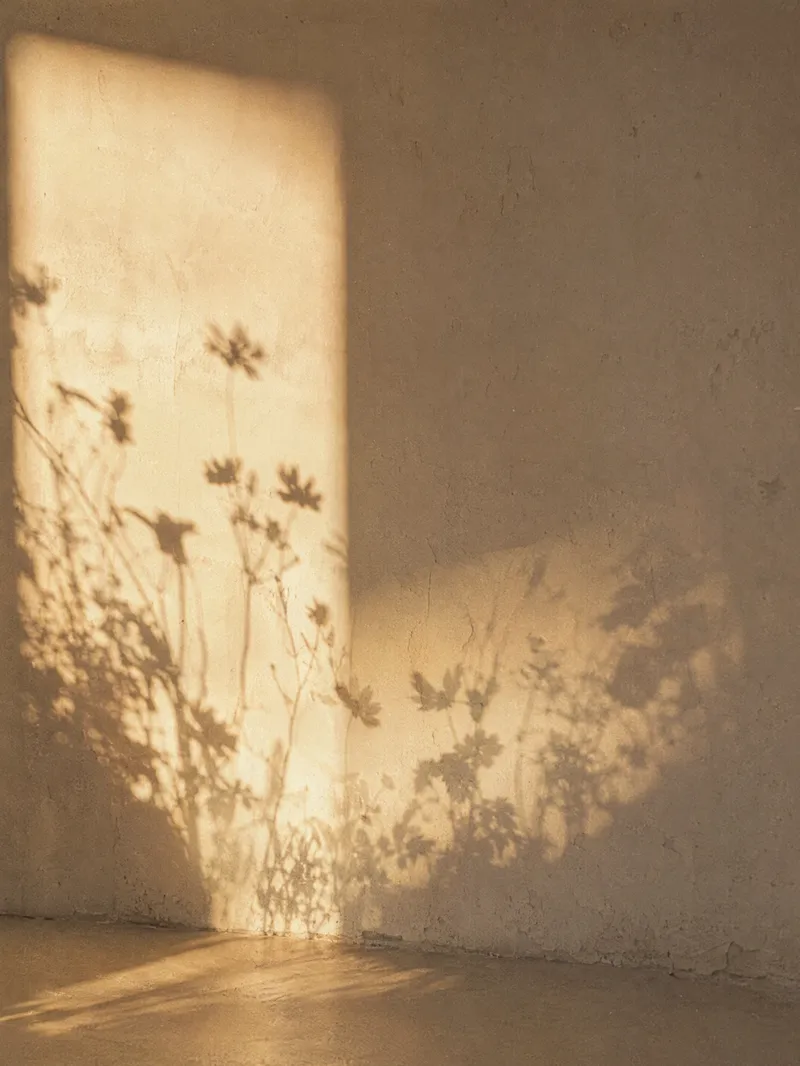
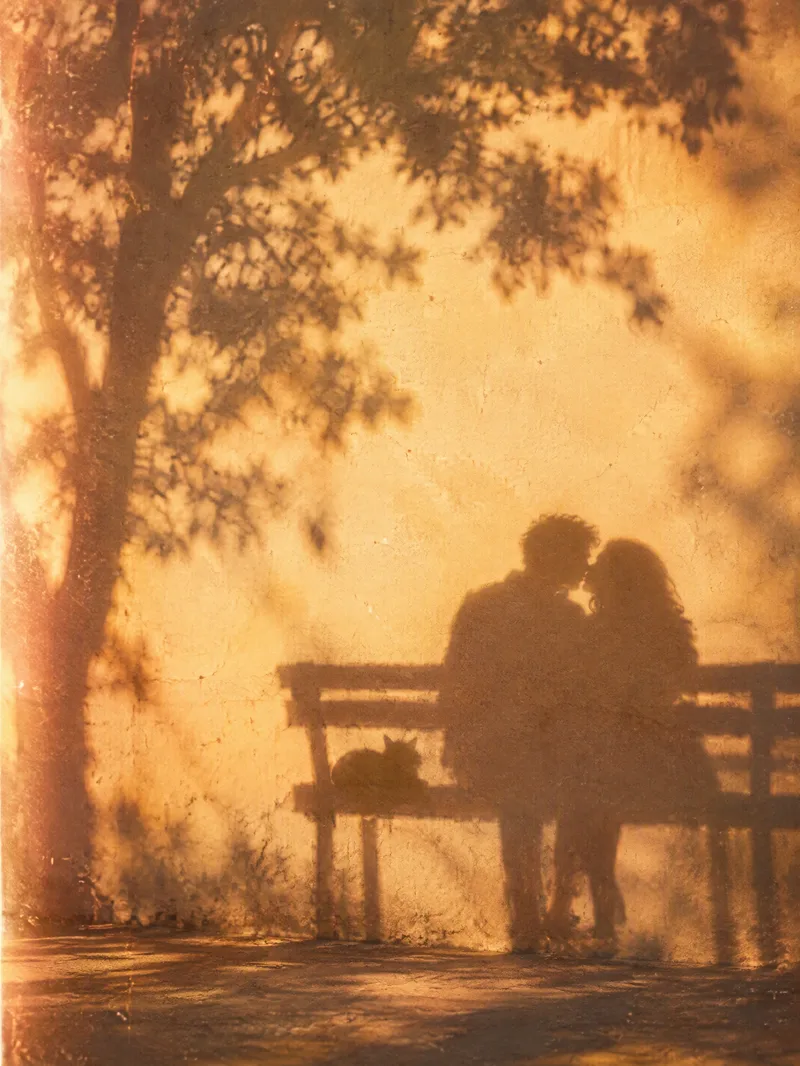
Transform people, animals, still lifes, or scenes into quiet, poetic images where “the shadow is the subject”: the content appears as shadows, silhouettes, and projections on walls, floors, or other surfaces, rather than as solid subjects accompanied by ordinary shadows. Whether generating a new image from a text description or redrawing an uploaded photo in this style, the relationships and poses between subjects are preserved while soft, evocative window light, natural light, or dappled tree shadows are introduced. The images use a low-saturation film atmosphere, with blue-gray, brown-yellow, warm gold, or restrained black-and-white tones matched to the scene and mood. Visible film grain, paper texture, soft focus, and a lightly faded quality are added, avoiding vivid commercial colors and overly smooth digital textures. Minimal compositions and generous negative space give the shadows room to breathe, making the style suitable for understated emotions such as solitude, nostalgia, warmth, healing, or silence. Suitable for visual needs such as a shadow-focused literary aesthetic, artistic silhouettes, or film-like light and shadow. It also works well for creating story-rich single images or image series with consistent color palettes and compositional logic. It is not suitable for ID photos that require clearly recognizable facial features, realistic portraits showing a solid subject with an ordinary cast shadow, or highly saturated commercial advertising imagery.
Recommended by
淡苍
Why we love this skill
Makes shadows—not physical subjects—the protagonists, combining low-saturation film grain, paper texture, and poetic negative space for quiet, nostalgic, story-rich images.
Best for
Best for creating standalone shadow artworks with a storytelling, nostalgic, or soothing atmosphere.
How to use this Skill
Provide your input
Provide a photo or a text description of a person, animal, still life, or scene, with the desired mood or color palette (optional).
Run the Skill
Transform the subject into shadows, silhouettes, and projections on walls, floors, or other surfaces, with soft lighting, muted colors, and a film-like texture.
Review your result
Get a quiet, poetic shadow artwork with spacious composition, grainy texture, and a restrained cinematic atmosphere.
Related Skills
View allLight-and-Dark Zen Framing
Turn your written concept or reference image into a “light-and-dark framed Zen” scene: dark architecture or structures form a natural frame in the foreground, leaving an open, bright space within. A person or subject stands in the light at a small scale, as a silhouette or in muted colors, while crisp, elongated geometric shadows reinforce a sense of order and solitude. The overall style emphasizes high-contrast lighting, near-black shadows, restrained colors, ample negative space, and a tranquil, minimalist visual experience. It is suited to creating a meditative, ceremonial, and East Asian Zen atmosphere, while also extending to modern urban or Western classical settings. During generation, the architectural context is naturally matched to the subject’s identity, era, and cultural character—for example, a monk in a Zen temple corridor, a scholar in an academy, a samurai in a Japanese garden, a historical figure in a classical courtyard, or an urban professional in a glass-curtain-wall space—while preserving any scene you explicitly specify. For uploaded images, the composition can be reconstructed around a dark frame, bright area, subject in light, and long shadows while preserving the subject’s identity and approximate pose as much as possible. If the original image lacks spatial structure suitable for reconstruction, the style will not be forced onto it. Suitable for text-to-image, image-to-image, and style transfer; not suitable for highly saturated color images, standard black-and-white filters, or photo-realistic commercial portraits.
 Image
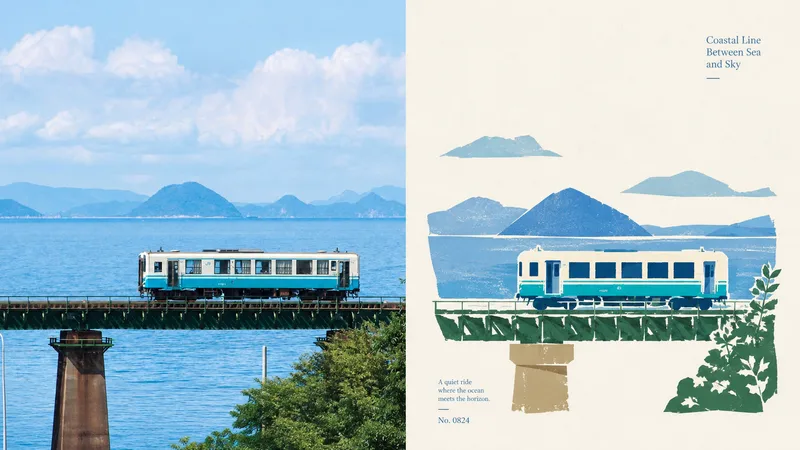
Imagexiaoxiaodong P108 Folk Cut
When the subject of a photo is highly recognizable but weakened by a complex background, excessive decoration, or ordinary filters, 108 reorganizes the information through new folk-art paper cutting: the real photo remains above, while the section below keeps only the subject, outline, pose, and narrative relationships, transforming them into flat paper-cut forms, a seal-like main visual, and printmaking texture. Best suited for Art posters, publication covers, or exhibition images that preserve the identity of a photo while adding cultural and handcrafted character. A preference for silhouettes, color blocks, engraved lines, positive and negative space, and paper grain over realistic illustration, smooth vectors, or 3D. Stable output in the same style across top-and-bottom, side-by-side, pure design, wallpaper, multiple aspect ratios, and catalog batch processing. What it solves for you Removes irrelevant backgrounds and duplicate objects so the subject is not overwhelmed by decoration. Extracts the 2–4 most distinctive colors from the photo to create vivid but restrained folk-art color blocks. Unifies the two-zone structure of every finished piece: a strict 50:50 split, with no added title bar, footer, or third band. Quick check: Is Panel 108 right for you? What you get: A complete poster with the real photo on top and a new folk-art paper-cut design below At-a-glance characteristics: A small-scale, seal-like subject; flat paper-cut color blocks; printmaking grain; and generous warm-white space How the original image is respected: Identity, structure, pose, lighting, and color are preserved; the lower section only simplifies and symbolically reconstructs them
 Image
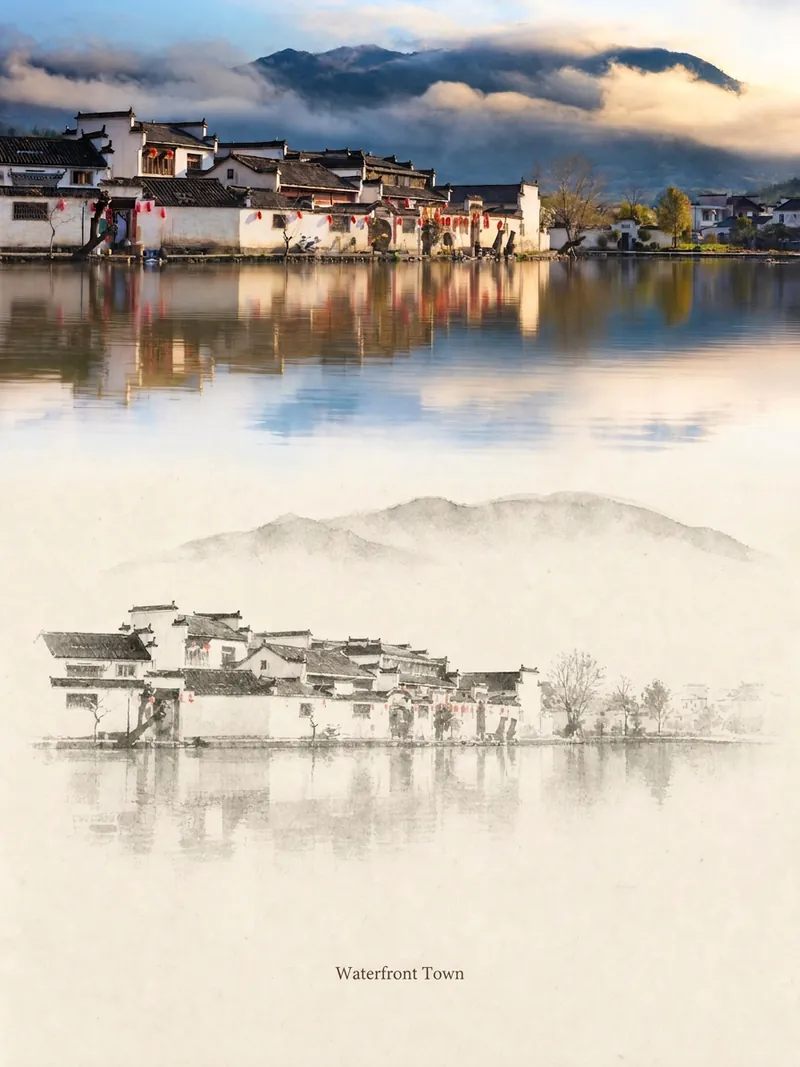
ImageRelic Art
Transform a real photo into a vertical "relic art" poster that blends documentary value with artistic expression: the upper part keeps the original photograph untouched, while the lower part uses warm paper or restrained light and shadow to compress a memory-derived graphic from the image. It's not a typical illustration or decorative poster; instead, it uses sparse ink blocks, softened edges, white-space cuts, and sparse lines to distill architectural, urban, water, road, human-scale, horizon, and light-shadow relationships, so the subject remains recognizable even in thumbnails. The overall feel is quiet, restrained, and like a modern print. Colors are taken from the source photo, primarily deep blue, ink black, gray-green, stone, or low-saturation warm tones, with a small warm accent added when fitting. The title is kept very small, poetic, and similar to an exhibition label, never overwhelming. This is suitable for minimalist art posters, photographic relic series, architectural and urban image posters, abstract editorial photography, gallery-style photo covers, and visual series for mobile platforms like Douyin. The final output preserves the authentic content of the original photo while adding a consistent "memory imprint" below, giving each photo its own mood and an expandable visual identity.
Information
- Version
- v4
- Last updated
- Runtime credits
- Usage-based
- Models
- GPT Image 2.5 Flare
- Use cases
- Images & design
- What you get
- Image
- Visual styles
- MinimalistCinematic