SCI Graphical Abstract Maker
Description
Why we love this skill
This skill transforms complex research findings into professional, non-cartoon graphical abstracts that match top journal visual standards, making your results clear at a glance.
Generate professional Graphical Abstracts for SCI papers that meet top journal standards such as Cell Press, Elsevier, ACS, Nature, and more. Through interactive Q&A, core information is collected. Prioritizes white/near-white backgrounds, top-journal-level academic illustrations, fused SEM/structural diagrams, realistic molecular/material expression, restrained color schemes, and professional arrow systems. Automatically applies the 60-30-10 color rule, Gestalt psychology principles, and stamp size test standards to produce single-panel, data-free, highly self-explanatory, non-cartoonish professional scientific graphical abstracts.
Related Skills
View all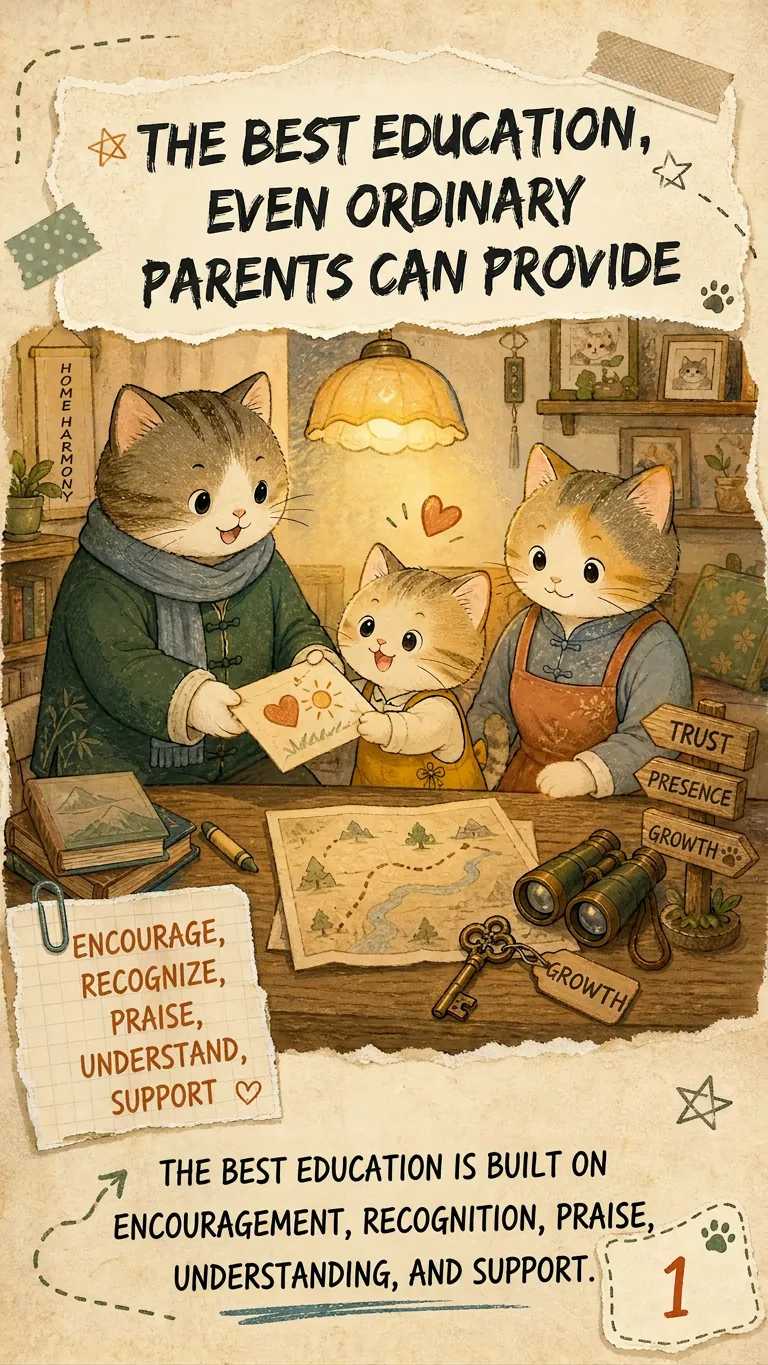 Image
ImageHealing Cat Infographic Book
Turn an existing article or piece of copy into a set of healing cat-themed vertical infographic picture books designed for mobile reading. The skill first extracts the central thesis and key supporting points, then splits the content into pages using logic such as progression, parallel structure, steps, or a timeline. Each page gets a striking headline, a specific scene illustration, and a concise takeaway quote, making complex content clear, easy to understand, and quick to browse. By default it generates about 6 pages, and adjusts the length flexibly based on content length and needs. The entire set uses a consistent 9:16 vertical layout, with cream-white aged paper, muted vintage colors, watercolor and colored pencil textures, and hand-drawn ink lines to create a journal collage feel. Three anthropomorphic cats wearing light neo-Chinese adventure outfits appear throughout, acting out the article's theme through poses, expressions, and props. Decorations like sticky notes, washi tape, paper clips, and hand-drawn arrows help keep the characters, colors, and layout consistent across pages. Each page emphasizes whitespace, text hierarchy, and mobile readability. The final deliverable is a continuous, complete vertical infographic, organized into an easy-to-browse summary document containing all pages, headlines, and quotes. Ideal for turning knowledge sharing, lifestyle tips, emotional healing, personal growth experiences, science explainers, or brand copy into narrative-driven, shareable Chinese infographic picture books.
 Image
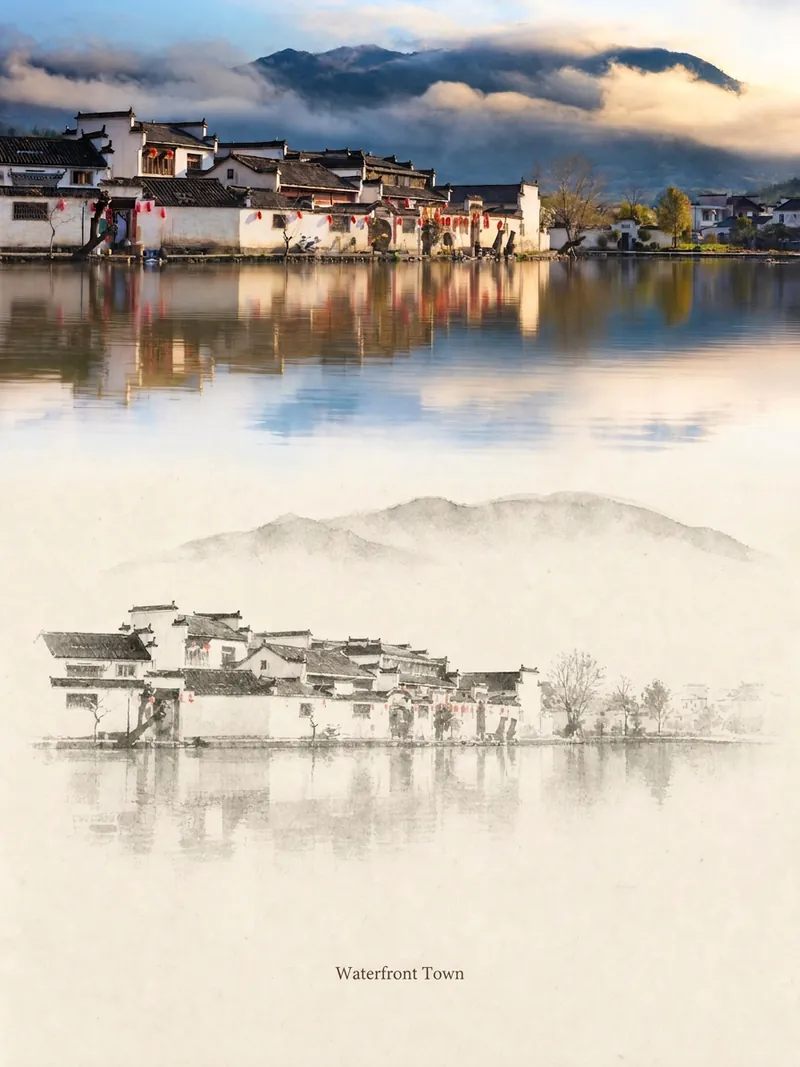
ImageRelic Art
Transform a real photo into a vertical "relic art" poster that blends documentary value with artistic expression: the upper part keeps the original photograph untouched, while the lower part uses warm paper or restrained light and shadow to compress a memory-derived graphic from the image. It's not a typical illustration or decorative poster; instead, it uses sparse ink blocks, softened edges, white-space cuts, and sparse lines to distill architectural, urban, water, road, human-scale, horizon, and light-shadow relationships, so the subject remains recognizable even in thumbnails. The overall feel is quiet, restrained, and like a modern print. Colors are taken from the source photo, primarily deep blue, ink black, gray-green, stone, or low-saturation warm tones, with a small warm accent added when fitting. The title is kept very small, poetic, and similar to an exhibition label, never overwhelming. This is suitable for minimalist art posters, photographic relic series, architectural and urban image posters, abstract editorial photography, gallery-style photo covers, and visual series for mobile platforms like Douyin. The final output preserves the authentic content of the original photo while adding a consistent "memory imprint" below, giving each photo its own mood and an expandable visual identity.
 Image
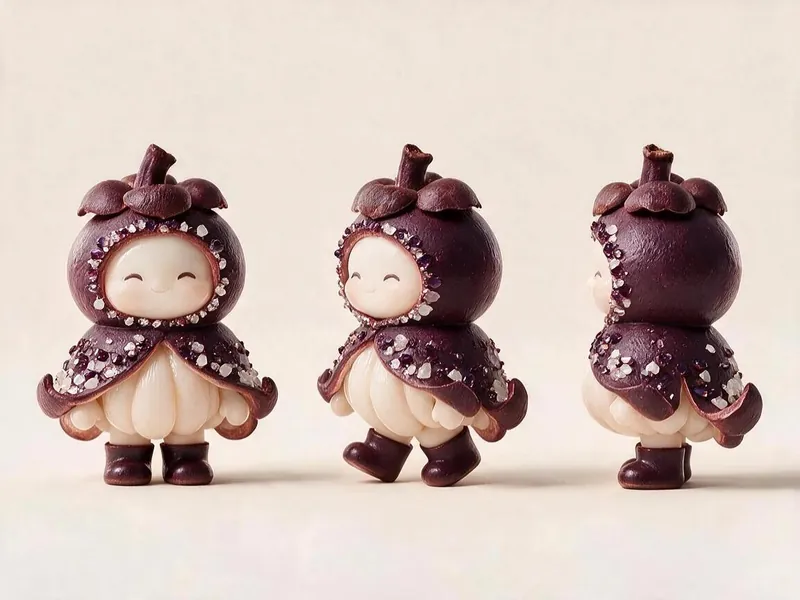
ImageCharacter Forge Workshop
For the Micro World of Fruits project, this skill generates character cards and three-view image prompts that meet all of the project's visual specifications. It anchors finalized characters as the style template and runs a self-check against a checklist after each render. Using this skill helps you avoid wasting credits during image generation.
SCI Graphical Abstract Maker
Description
Why we love this skill
This skill transforms complex research findings into professional, non-cartoon graphical abstracts that match top journal visual standards, making your results clear at a glance.
Generate professional Graphical Abstracts for SCI papers that meet top journal standards such as Cell Press, Elsevier, ACS, Nature, and more. Through interactive Q&A, core information is collected. Prioritizes white/near-white backgrounds, top-journal-level academic illustrations, fused SEM/structural diagrams, realistic molecular/material expression, restrained color schemes, and professional arrow systems. Automatically applies the 60-30-10 color rule, Gestalt psychology principles, and stamp size test standards to produce single-panel, data-free, highly self-explanatory, non-cartoonish professional scientific graphical abstracts.
Related Skills
View allImageHealing Cat Infographic Book
Turn an existing article or piece of copy into a set of healing cat-themed vertical infographic picture books designed for mobile reading. The skill first extracts the central thesis and key supporting points, then splits the content into pages using logic such as progression, parallel structure, steps, or a timeline. Each page gets a striking headline, a specific scene illustration, and a concise takeaway quote, making complex content clear, easy to understand, and quick to browse. By default it generates about 6 pages, and adjusts the length flexibly based on content length and needs. The entire set uses a consistent 9:16 vertical layout, with cream-white aged paper, muted vintage colors, watercolor and colored pencil textures, and hand-drawn ink lines to create a journal collage feel. Three anthropomorphic cats wearing light neo-Chinese adventure outfits appear throughout, acting out the article's theme through poses, expressions, and props. Decorations like sticky notes, washi tape, paper clips, and hand-drawn arrows help keep the characters, colors, and layout consistent across pages. Each page emphasizes whitespace, text hierarchy, and mobile readability. The final deliverable is a continuous, complete vertical infographic, organized into an easy-to-browse summary document containing all pages, headlines, and quotes. Ideal for turning knowledge sharing, lifestyle tips, emotional healing, personal growth experiences, science explainers, or brand copy into narrative-driven, shareable Chinese infographic picture books.
ImageRelic Art
Transform a real photo into a vertical "relic art" poster that blends documentary value with artistic expression: the upper part keeps the original photograph untouched, while the lower part uses warm paper or restrained light and shadow to compress a memory-derived graphic from the image. It's not a typical illustration or decorative poster; instead, it uses sparse ink blocks, softened edges, white-space cuts, and sparse lines to distill architectural, urban, water, road, human-scale, horizon, and light-shadow relationships, so the subject remains recognizable even in thumbnails. The overall feel is quiet, restrained, and like a modern print. Colors are taken from the source photo, primarily deep blue, ink black, gray-green, stone, or low-saturation warm tones, with a small warm accent added when fitting. The title is kept very small, poetic, and similar to an exhibition label, never overwhelming. This is suitable for minimalist art posters, photographic relic series, architectural and urban image posters, abstract editorial photography, gallery-style photo covers, and visual series for mobile platforms like Douyin. The final output preserves the authentic content of the original photo while adding a consistent "memory imprint" below, giving each photo its own mood and an expandable visual identity.
ImageCharacter Forge Workshop
For the Micro World of Fruits project, this skill generates character cards and three-view image prompts that meet all of the project's visual specifications. It anchors finalized characters as the style template and runs a self-check against a checklist after each render. Using this skill helps you avoid wasting credits during image generation.
Find your next favorite skill
Explore more curated AI skills for research, creation, and everyday work.