xiaoxiaodong P119 | Fabric
By xiaoxiaodong
Description
Recommended by
淡苍
Why we love this skill
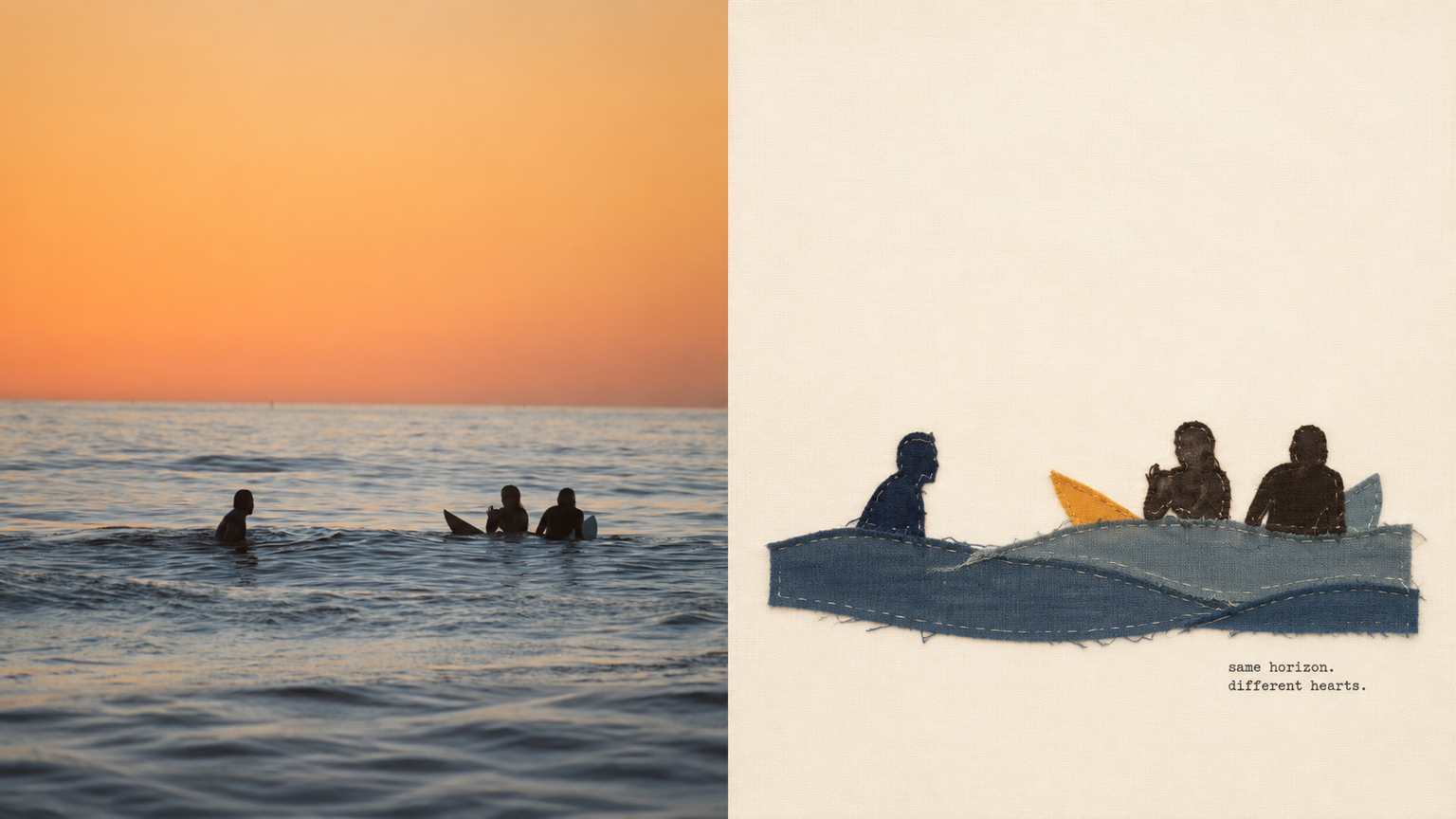
Minimalist hand-sewn collages preserve the source image while distilled colors, strict negative space, raw edges, and sparse stitches create a quiet handmade narrative.
When the people, objects, or actions in a photo are worth preserving but the background is too crowded, Panel 119 distills the central subject into a hand-sewn textile collage. A few large fabric pieces, raw-edge appliqué, and a small amount of embroidery create a compact visual focal point, while generous negative space gives the linen-and-cotton fibers and stitchwork room to be seen. Best for Preserving the true identity of people, everyday objects, and travel memories while adding a warm fabric touch. Distilling the subject, outline, structure, posture, and narrative relationships from a complex photo without redrawing every element of the original scene. Working with lively yet soft 2–4-color fabric palettes and restrained, editorial-style copy. Creating consistent styles for top-and-bottom, left-and-right, pure-design, multiple-aspect-ratio, four-edge wallpaper, or catalog batch processing. What it solves for you It actively removes most of the background and unrelated details to prevent visual information from piling up. It builds recognizability with a few large fabric pieces and hand-stitched details, avoiding a cheap handcrafted look or templated collage style. It strictly uses only two 50:50 areas on the canvas, with no title band, bottom bar, or third section. Each image is generated in a single pass from the current original image, avoiding a second round of stylization on intermediate results.
Related Skills
View all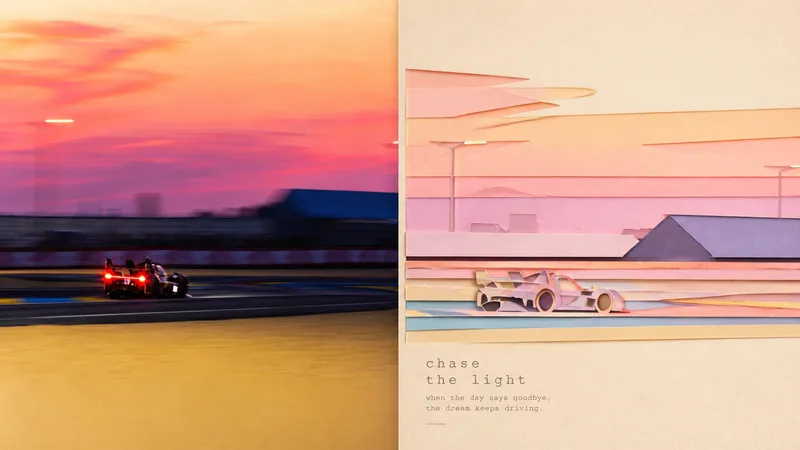 Image
ImageXiaodong x Paper Collage P077
Panel 077 distills the subject, character movement, contour structure, and scene relationships into a paper-cut collage: crisp cut-paper outlines, layered foreground and background shapes, subtle paper grain, cut edges, and soft shadows work together to create a sense of space. The background is deliberately simplified, while pastel colors are remixed from the most vibrant and emotionally resonant parts of the photo. The result feels more like a high-end travel magazine or independent art publication than a collage of cartoon stickers. Great for these situations Want to turn travel photos into paper-art publications: Not by simply shrinking the photo, but by reorganizing the relationship between the subject and the scene. Need a flat design with convincing depth: Cut-paper edges, layered elements, and soft shadows create a tactile feel without heavy plastic-like 3D. Prefer something soft, bright, and refined: Pastel colors are generated from the original image’s vitality and emotional warmth rather than applying a fixed candy-color palette. Need flexible delivery: Supports top-and-bottom, left-and-right, pure design, multiple aspect ratios, and four-edge wallpapers, along with batch processing for image directories.
 Image
Imagexiaoxiaodong P108 Folk Cut
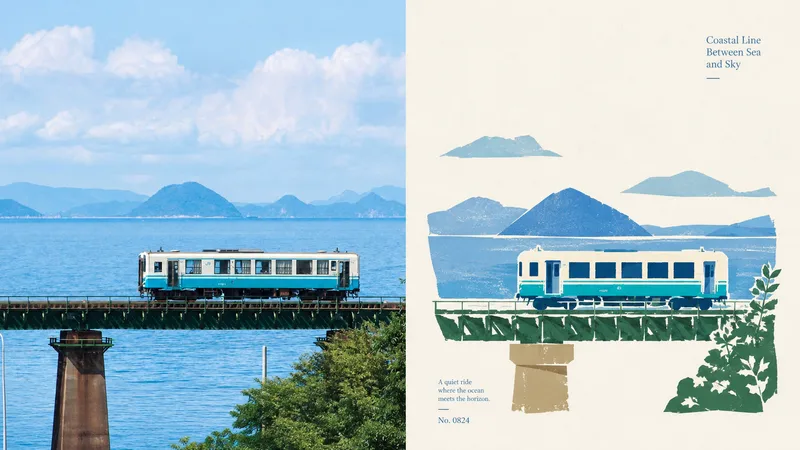
When the subject of a photo is highly recognizable but weakened by a complex background, excessive decoration, or ordinary filters, 108 reorganizes the information through new folk-art paper cutting: the real photo remains above, while the section below keeps only the subject, outline, pose, and narrative relationships, transforming them into flat paper-cut forms, a seal-like main visual, and printmaking texture. Best suited for Art posters, publication covers, or exhibition images that preserve the identity of a photo while adding cultural and handcrafted character. A preference for silhouettes, color blocks, engraved lines, positive and negative space, and paper grain over realistic illustration, smooth vectors, or 3D. Stable output in the same style across top-and-bottom, side-by-side, pure design, wallpaper, multiple aspect ratios, and catalog batch processing. What it solves for you Removes irrelevant backgrounds and duplicate objects so the subject is not overwhelmed by decoration. Extracts the 2–4 most distinctive colors from the photo to create vivid but restrained folk-art color blocks. Unifies the two-zone structure of every finished piece: a strict 50:50 split, with no added title bar, footer, or third band. Quick check: Is Panel 108 right for you? What you get: A complete poster with the real photo on top and a new folk-art paper-cut design below At-a-glance characteristics: A small-scale, seal-like subject; flat paper-cut color blocks; printmaking grain; and generous warm-white space How the original image is respected: Identity, structure, pose, lighting, and color are preserved; the lower section only simplifies and symbolically reconstructs them
 Image
Imagexiaoxiaodong P120 Concepts
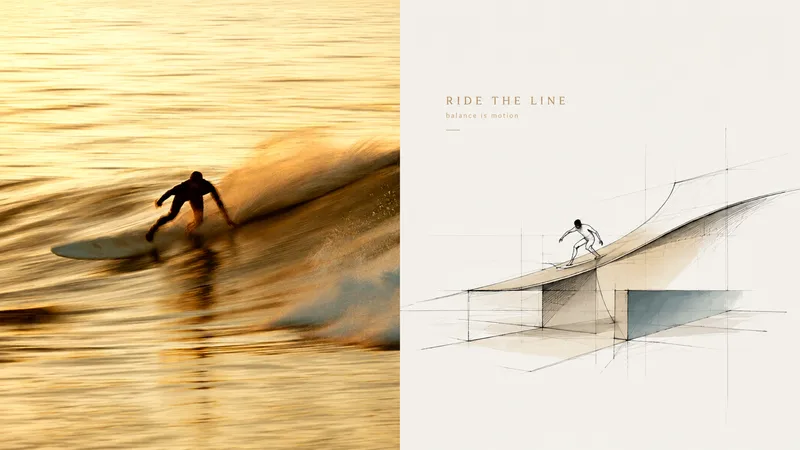
Want to turn a photo into a concept image with a sense of design exploration, without ending up with a fully rendered scene that traces every object? Panel 120 preserves the photo’s identity and spatial memory, distilling its key forms, outlines, and relationships into loose, freehand perspective linework. A few color blocks, geometric guide lines, and generous areas of blank space come together to form the work. Ideal for these situations Architectural, spatial, travel, or object photos need to become concept sketches with an editorial sensibility. The original composition is weak, the background is cluttered, or the subject is small, and you want to reorganize the visual focus through reduction, recomposition, and changes in scale. You want to preserve recognizability and spatial relationships while avoiding full-frame coloring or photorealistic renderings. The same style needs to be delivered in vertical, horizontal, design-only, wallpaper, and catalog batches. What it solves for you Remove backgrounds and secondary objects, leaving the core forms and visual memory points that represent the subject. Use relaxed, restrained, slightly repetitive perspective lines and a few construction lines to express design exploration. Make blank space part of the composition instead of filling the frame with decoration or color blocks. The comparison image contains exactly two equal sections; each source image is generated independently to avoid secondary stylization.
xiaoxiaodong P119 | Fabric
By xiaoxiaodong
Description
Recommended by
淡苍
Why we love this skill
Minimalist hand-sewn collages preserve the source image while distilled colors, strict negative space, raw edges, and sparse stitches create a quiet handmade narrative.
When the people, objects, or actions in a photo are worth preserving but the background is too crowded, Panel 119 distills the central subject into a hand-sewn textile collage. A few large fabric pieces, raw-edge appliqué, and a small amount of embroidery create a compact visual focal point, while generous negative space gives the linen-and-cotton fibers and stitchwork room to be seen. Best for Preserving the true identity of people, everyday objects, and travel memories while adding a warm fabric touch. Distilling the subject, outline, structure, posture, and narrative relationships from a complex photo without redrawing every element of the original scene. Working with lively yet soft 2–4-color fabric palettes and restrained, editorial-style copy. Creating consistent styles for top-and-bottom, left-and-right, pure-design, multiple-aspect-ratio, four-edge wallpaper, or catalog batch processing. What it solves for you It actively removes most of the background and unrelated details to prevent visual information from piling up. It builds recognizability with a few large fabric pieces and hand-stitched details, avoiding a cheap handcrafted look or templated collage style. It strictly uses only two 50:50 areas on the canvas, with no title band, bottom bar, or third section. Each image is generated in a single pass from the current original image, avoiding a second round of stylization on intermediate results.
Related Skills
View allImageXiaodong x Paper Collage P077
Panel 077 distills the subject, character movement, contour structure, and scene relationships into a paper-cut collage: crisp cut-paper outlines, layered foreground and background shapes, subtle paper grain, cut edges, and soft shadows work together to create a sense of space. The background is deliberately simplified, while pastel colors are remixed from the most vibrant and emotionally resonant parts of the photo. The result feels more like a high-end travel magazine or independent art publication than a collage of cartoon stickers. Great for these situations Want to turn travel photos into paper-art publications: Not by simply shrinking the photo, but by reorganizing the relationship between the subject and the scene. Need a flat design with convincing depth: Cut-paper edges, layered elements, and soft shadows create a tactile feel without heavy plastic-like 3D. Prefer something soft, bright, and refined: Pastel colors are generated from the original image’s vitality and emotional warmth rather than applying a fixed candy-color palette. Need flexible delivery: Supports top-and-bottom, left-and-right, pure design, multiple aspect ratios, and four-edge wallpapers, along with batch processing for image directories.
Imagexiaoxiaodong P108 Folk Cut
When the subject of a photo is highly recognizable but weakened by a complex background, excessive decoration, or ordinary filters, 108 reorganizes the information through new folk-art paper cutting: the real photo remains above, while the section below keeps only the subject, outline, pose, and narrative relationships, transforming them into flat paper-cut forms, a seal-like main visual, and printmaking texture. Best suited for Art posters, publication covers, or exhibition images that preserve the identity of a photo while adding cultural and handcrafted character. A preference for silhouettes, color blocks, engraved lines, positive and negative space, and paper grain over realistic illustration, smooth vectors, or 3D. Stable output in the same style across top-and-bottom, side-by-side, pure design, wallpaper, multiple aspect ratios, and catalog batch processing. What it solves for you Removes irrelevant backgrounds and duplicate objects so the subject is not overwhelmed by decoration. Extracts the 2–4 most distinctive colors from the photo to create vivid but restrained folk-art color blocks. Unifies the two-zone structure of every finished piece: a strict 50:50 split, with no added title bar, footer, or third band. Quick check: Is Panel 108 right for you? What you get: A complete poster with the real photo on top and a new folk-art paper-cut design below At-a-glance characteristics: A small-scale, seal-like subject; flat paper-cut color blocks; printmaking grain; and generous warm-white space How the original image is respected: Identity, structure, pose, lighting, and color are preserved; the lower section only simplifies and symbolically reconstructs them
Imagexiaoxiaodong P120 Concepts
Want to turn a photo into a concept image with a sense of design exploration, without ending up with a fully rendered scene that traces every object? Panel 120 preserves the photo’s identity and spatial memory, distilling its key forms, outlines, and relationships into loose, freehand perspective linework. A few color blocks, geometric guide lines, and generous areas of blank space come together to form the work. Ideal for these situations Architectural, spatial, travel, or object photos need to become concept sketches with an editorial sensibility. The original composition is weak, the background is cluttered, or the subject is small, and you want to reorganize the visual focus through reduction, recomposition, and changes in scale. You want to preserve recognizability and spatial relationships while avoiding full-frame coloring or photorealistic renderings. The same style needs to be delivered in vertical, horizontal, design-only, wallpaper, and catalog batches. What it solves for you Remove backgrounds and secondary objects, leaving the core forms and visual memory points that represent the subject. Use relaxed, restrained, slightly repetitive perspective lines and a few construction lines to express design exploration. Make blank space part of the composition instead of filling the frame with decoration or color blocks. The comparison image contains exactly two equal sections; each source image is generated independently to avoid secondary stylization.
Find your next favorite skill
Explore more curated AI skills for research, creation, and everyday work.