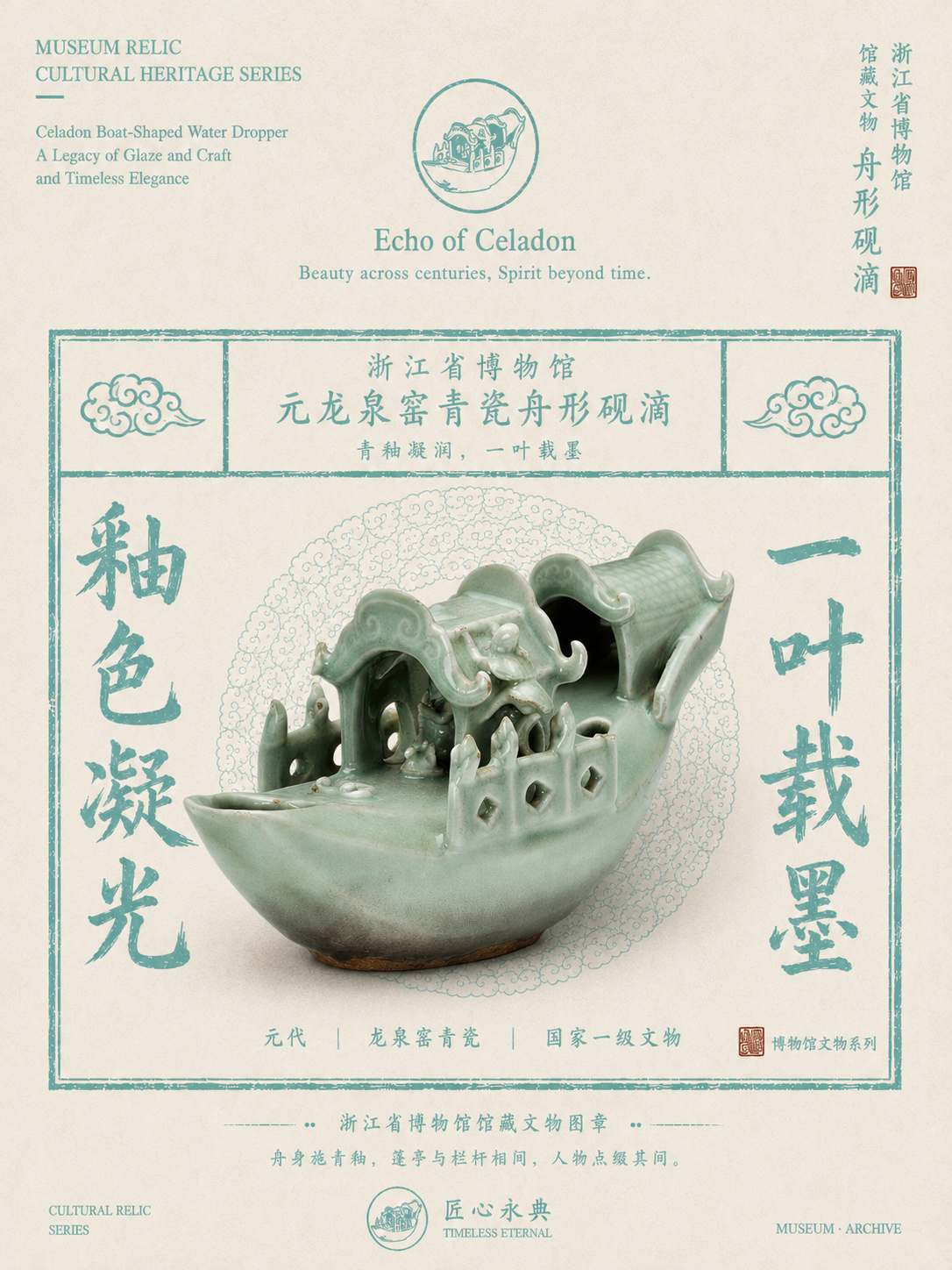
Museum Relic Stamp
Turn museum treasures into collectible stamps
Showcase
Description
Turn the museum relics that catch your eye into collectible stamps made just for you. Upload a photo of a relic you took during a museum visit to create a collectible relic stamp poster featuring aged paper texture, the charm of a seal, and Chinese-English typography. The warmth of jade, the glaze of celadon, and the mottled patina of bronze will all be preserved in the design. Pair each treasured relic with a fitting ink color to create a one-of-a-kind collectible page. The set includes six ink colors, all presented on a warm ivory aged-paper background. Match different relics with different tones, or stick with one ink color and gradually build your own museum-visit collection album.
Recommended by
Dancang
Why we love this skill
Turn an artifact photo into a collectible 3:4 vertical stamp poster with warm ivory paper, thematic overprinting, a cinnabar seal, and clear Chinese-English hierarchy—while preserving source-based, verifiable details without inventing dates, collections, or provenance.
Related Skills
View all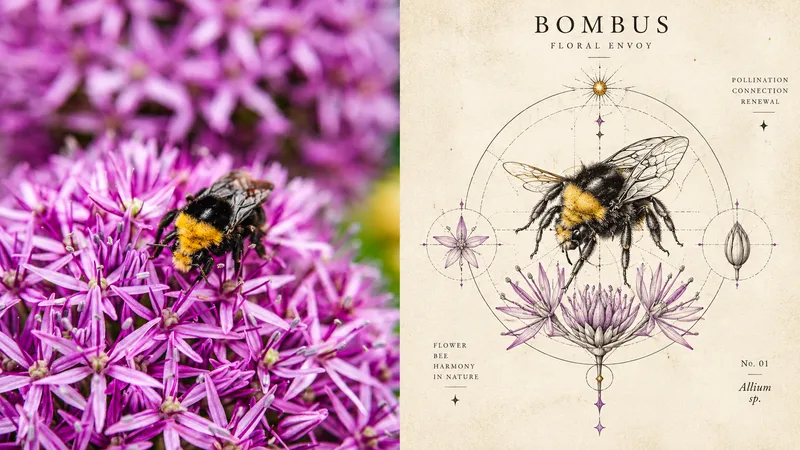 Image
Archive Emblem | xiaoxiaodong P288
Turn an ordinary photo into the small imprint beside a museum collection number. The upper half shows the original image; the lower half keeps only an outline, a set of structural relationships, and one memorable detail, rendered in fine-pen engraved lines on warm ivory or parchment tones, with an optional halo or axis. Use warm ivory, parchment, ochre, dark brown, and ink black as the main colors. Cobalt blue, vermilion, or teal should appear only as very limited research markings. Let the lettering feel like an index from an old book or a museum label. Avoid pages filled with handwriting, commercial icons, tech interfaces, cartoons, and complete photorealism.
 Image
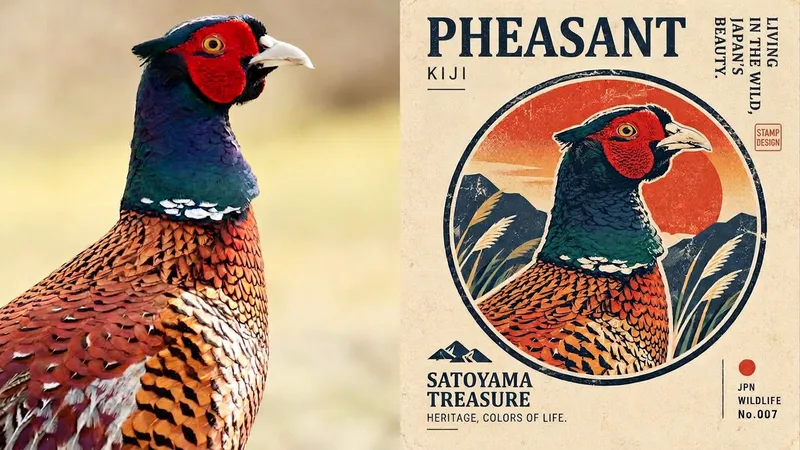
Scientific Badge | xiaoxiaodong P285
Ideal for turning an ordinary photo into a scientific badge worthy of a museum collection. The upper half shows the original image; the lower half compresses the subject into a bold, simplified silhouette with a few engraved lines, halftone dots, and uneven ink, like a graphic from an old stamp or aviation archive. The symbol is small, surrounded by generous negative space, with text formatted as a compact archive number or short label. Colors are vivid and dignified, reworked from the original image into deep blue, cosmic blue, warm red, orange-yellow, ivory, ink black, or teal green, with a sense of the print era. Avoid complete scenes, cinematic sci-fi, neon, modern commercial logos, muddy gray-muted palettes, and the feel of a tourist souvenir.
Free · Museum of Everything
Turn a city, plant, animal, ingredient, mineral, object, building, or cultural concept into a museum-style knowledge infographic with both educational value and a collectible feel. The 3:4 portrait layout uses a high-quality hero visual to anchor the composition, paired with elegant Chinese titles, English or Latin scientific names, classification labels, and concise definitions so the subject’s traits and character are immediately clear. The information is organized flexibly according to the subject, covering modules such as a core profile, structural cross-section, geographic and historical context, experiences and applications, comparisons with similar subjects, identification and care, or cultural extensions. Key figures, icons, maps, timelines, and concise charts are interwoven to avoid crowded tables and rigid nine-grid layouts, balancing rich information with easy reading. When presenting key names and user-provided data, the design prioritizes textual accuracy and avoids inventing precise conclusions. The overall visual style combines natural specimen photography, refined museum wayfinding panels, and the character of a high-end magazine yearbook. It uses low-saturation natural colors such as off-white, gray-green, and warm gray, along with restrained accent colors, serif headings, and generous whitespace. It is suitable for knowledge cards, educational posters, exhibition guides, and social media content. It also supports creating a series of collectible images with consistent layouts, colors, and numbering across multiple subjects.
Information
- Version
- v4
- Last updated
- Runtime credits
- Usage-based
- Models
- Auto
