A massive 30-second prompt for Seedance 2.5 that simulates a high-quality Japanese sports entertainment show, featuring multi-camera angles, character consistency, and realistic physical interactions with water obstacles.
المطالبة
Generate a 30-second, 16:9 widescreen, highly realistic live-action video of a large-scale water obstacle course competition program. The overall presentation should have the live broadcast quality of late 2000s to 2010s Japanese large-scale sports entertainment special programs. The stage is a massive outdoor water arena at night, with the complete track built over a large competition pool, surrounded by large lighting towers, steel structure trusses, audience seats, staff areas, and real TV production equipment. Use multi-camera shooting typical of real sports programs: ENG cameras, jib cameras, track follow shots, telephoto, low-angle water surface shots, and fixed side shots on obstacles. The shots always serve the character's movements through the course. The visuals maintain a real TV live broadcast quality: natural panning, zooming, focus pulling, character tracking, slight ENG camera movement, the slightly soft visual quality of early HD TV, natural TV compression, and real light-dark contrast formed by large live lighting. The entire process follows natural real-time speed and real physics laws. [Mandatory Character Consistency] The uploaded image {{Mixed 1}} is the only visual reference for the challenger. Strictly maintain the character's identity, facial features, face shape, hairstyle, hair color, skin tone, age appearance, height, body type, body proportions, clothing, and overall demeanor. Maintain the same character from the first frame to the last. Identity, face, body proportions, and clothing remain consistent across multi-camera switches, front, side, back, low angle, telephoto, full-body actions, running, jumping, falling, climbing, falling into water, and when wet. The clothing throughout the video remains the same outfit as in the uploaded image, with its color, structure, material, and way of wearing fixed. [Course Continuity] The entire video takes place in the same continuously existing night water arena. Three obstacles are connected in physical spatial order: Rolling Cylinder Obstacles -> Fishbone Reverse -> Curved High Wall. The character must advance forward along the same track. Each camera cut continues from the position the character reached in the previous shot and the current progress. The spatial relationship between obstacles, pools, platforms, audience, and large lighting remains continuous and stable. [30-Second Timeline] 0–3.2s | Challenger Appearance [Leg close-up -> Upper body medium shot -> Face close-up]. The video starts directly with a close-up of the challenger's legs. The camera naturally pans up: legs -> waist and upper body -> face close-up. The character stands in the center of the starting platform. The background shows the brightly lit water obstacle track, steel structures, and many live spectators. The character looks relaxed and confident. As the camera reaches her face, she naturally looks at the camera with a bright smile, then lightly clenches a fist in a simple, confident challenge gesture. The audience immediately applauds and cheers. The character then turns to look at the track ahead. The smile fades, and her gaze becomes serious. The body leans slightly forward, ready to sprint. A brief tense pause. 3.2–9s | Stage 1: Large Rolling Cylinder Obstacles [3.2–4.3s | Jib super wide shot]. The starting buzzer sounds suddenly. The character immediately sprints from the start. A large jib shot quickly shows the full arena and the first obstacle. Several large soft cylindrical rollers are arranged consecutively on the water. The audience bursts into cheers. [4.3–6.5s | Front-diagonal ENG follow shot]. The character approaches the rollers at high speed, stepping onto the first one. Upon contact, the roller immediately rotates under her weight. Her body is slightly pulled back by the rotation; she spreads her arms wide to maintain balance, then uses quick, consecutive small steps to move forward. Each step causes the roller to rotate accordingly. A slight sense of struggling begins. [6.5–8s | Side track follow shot]. The track camera moves parallel to the character. She crosses several rotating rollers. On one, her right foot clearly slips; her body tilts back and sideways. She waves her arms quickly, twists her waist, and re-stabilizes with the other foot. She doesn't fall, recovers, and continues sprinting. [8–9s | Rear telephoto shot]. She jumps forward from the last roller onto the fixed platform. Her knees bend naturally upon landing, her body sinking for shock absorption. She immediately stands and keeps running. Stage 1 cleared. 9–20s | Stage 2: Fishbone Reverse. A huge water Fishbone Reverse obstacle appears. Multiple long soft horizontal bars rotate around a central mechanical axis. The character must move along a narrow continuous platform while dodging the sweeping bars. This stage makes her look significantly more disheveled. [9–11s | Jib wide shot]. She runs to the Fishbone. The camera shows the pool, narrow platform, central rotating structure, and soft bars. She observes briefly then enters. [11–14s | Front-diagonal ENG/Track follow]. The first bar sweeps towards her. She ducks quickly. The second bar comes from the other direction; she turns sideways and steps forward. The third bar sweeps near her legs; she lifts her leg quickly with a small hop. The process is continuous without stopping to wait. The movements show clear improvisation and struggle. [14–16s | Low-angle water shot]. The camera is near the water. Bars sweep across the foreground. She is advancing on the narrow platform. A bar suddenly sweeps from her rear side; she fails to avoid it. A clear, realistic soft collision occurs between the bar and her side. The impact shifts her center of gravity. Her upper body is pushed sideways; she stumbles two steps. Arms wave instinctively for balance. [16–18s | Side ENG medium shot]. She doesn't fall into the water but loses balance completely. She clearly falls/sits onto the narrow platform. Her buttocks and one hand touch the platform. Her legs slide forward briefly. This is a fully executed fall. A brief awkward pause follows. Her face shows panic, shock, and a bit of embarrassment. The audience gasps, then laughs and cheers. [18–20s | Rear follow shot]. She immediately uses her hand to push herself up. Movements are more hurried than at the start. Hair and body swing naturally with movement. While regaining balance, she continues forward, ducks under the last bar, and jumps onto the exit platform. Stage 2 cleared. She doesn't rest and sprints towards the final obstacle with visible fatigue. 20–27s | Final Stage: Curved High Wall. The largest final obstacle appears: a giant curved high wall. The wall curves upward and becomes steeper at the top, significantly higher than the character. Having completed two stages, her breathing is heavier, but her movements remain full-effort. The final wall is challenged only once. [20–22s | Front telephoto]. She sprints in a straight line toward the wall. The telephoto lens compresses space, putting the wall directly in front of her. She swings her arms noticeably while running. The audience stands up, cheers rising. [22–24.5s | Wall side low-angle]. She runs full speed onto the curved surface. The first step hits the base hard. She uses momentum to step up several times. Her body extends upward. At the peak, she reaches out both hands and successfully grabs the edge. Her body leaves the wall; her legs hang. Her arms support her weight. [24.5–27s | Wall top side ENG + Telephoto close-up]. She grips the top firmly, hangs briefly, then bends her arms to pull her upper body up. Her chest nears the edge. She adjusts her grip and tries to lift a leg. The visual must create the clear expectation that she has caught it and is about to flip over. Her face shows fatigue, effort, tension, and excitement at the hope of success. Audience cheering peaks. 27–30s | Trap Ambush -> High Fall -> Face Close-up Ending. [27–28s | Wall top side medium shot]. Just as she is about to flip over—a hidden trap mechanism activates. A huge soft variety show hammer swings out horizontally. It has a clear mechanical trajectory. She can't avoid it. The hammer hits her shoulder and side realistically. Her body reacts: shoulder pushed, upper body twists, grip broken. One hand slips first, then the other. Her face shows sudden shock. [28–29s | Low-angle / Telephoto fall shot]. She detaches from the wall, falling at gravitational speed. Her body tilts back, arms and legs flailing naturally. The camera keeps the body and pool visible. She falls directly into the water. A huge realistic splash erupts. Ripples spread. The audience gasps and laughs. [29–30s | Water surface face close-up]. The splash settles. She emerges, hair soaked and stuck to her face. She pants, looking dazed for a moment, then looks at the camera. Her face shows a mix of grievance, helplessness, and exaggerated disbelief at her failure. The close-up is the final frame. Ends amid audience cheers, laughter, and applause. [Physical Feedback] All obstacles must have real physical relationships with the body. Rollers: step down -> rotation -> center of gravity shift. Fishbone: bar movement -> approach -> dodge or soft contact -> gravity impact -> fall -> platform contact -> recovery. High Wall: sprint -> step -> upward momentum -> grab -> hanging -> muscular pull. Hammer: activation -> sweep -> hit -> body displacement -> grip loss -> gravitational fall. Water Entry: falling -> contact -> splash -> ripples -> immersion -> emergence. No pre-emptive reactions. Clear cause-effect logic. [Character Performance Curve] Emotions evolve: Start: beautiful, confident -> Rollers: nervous but capable -> Fishbone: disheveled, panicked, fall -> Recovery: defiant, sprinting -> Wall: fatigued, maximum effort -> Top Grab: excitement -> Hammer: sudden shock -> Fall: failure -> End: helpless comedy. Not a professional athlete performance, but natural reactions of an adult challenger. [Sound Design] Real live TV sounds: buzzer, cheers, applause, gasps, laughter, live commentary, running steps, mechanical sounds, soft impacts, falling thuds, heavy breathing, wall stepping, water splash. Commentary changes based on action. BGM is tense Japanese sports special program style, building to the final trap. [Photography Rules] Multi-camera live logic. Focus on where the character is, what the obstacle is, how they pass it, and why they collide. Wide shots for space, medium-long for action, track for movement, low angle for scale, telephoto for tension/expression. Natural, crisp cuts. Frequency increases toward the end. [Final Mandatory Constraints] Sequence must follow: 1. Entrance 2. Rollers 3. Fishbone (must include a real fall on the platform) 4. Wall (one attempt, successful grab) 5. Success expectation 6. Hammer trap (must hit her) 7. Water fall 8. Final close-up. Structure: Confidence -> Challenge -> Struggle -> Fall -> Persistence -> Near Success -> Reversal -> Fall -> Comedic End. Real-time speed, crisp rhythm. Maintain consistency, continuity, physics, and live broadcast feel.
كيفية استخدام هذه المطالبة
1
انسخ المطالبة الكاملة أعلاه.
2
افتح منصة تدعم Seedance 2.0 مثل YouMind، ثم الصق المطالبة.
3
غيّر الموضوع أو النمط أو التفاصيل لتناسب فكرتك، ثم ابدأ الإنشاء.
هذه مطالبة مجانية للذكاء الاصطناعي من مكتبة YouMind. استكشف آلاف المطالبات الأخرى لنوع فيديو، وكلها مجانية للنسخ والتعديل.
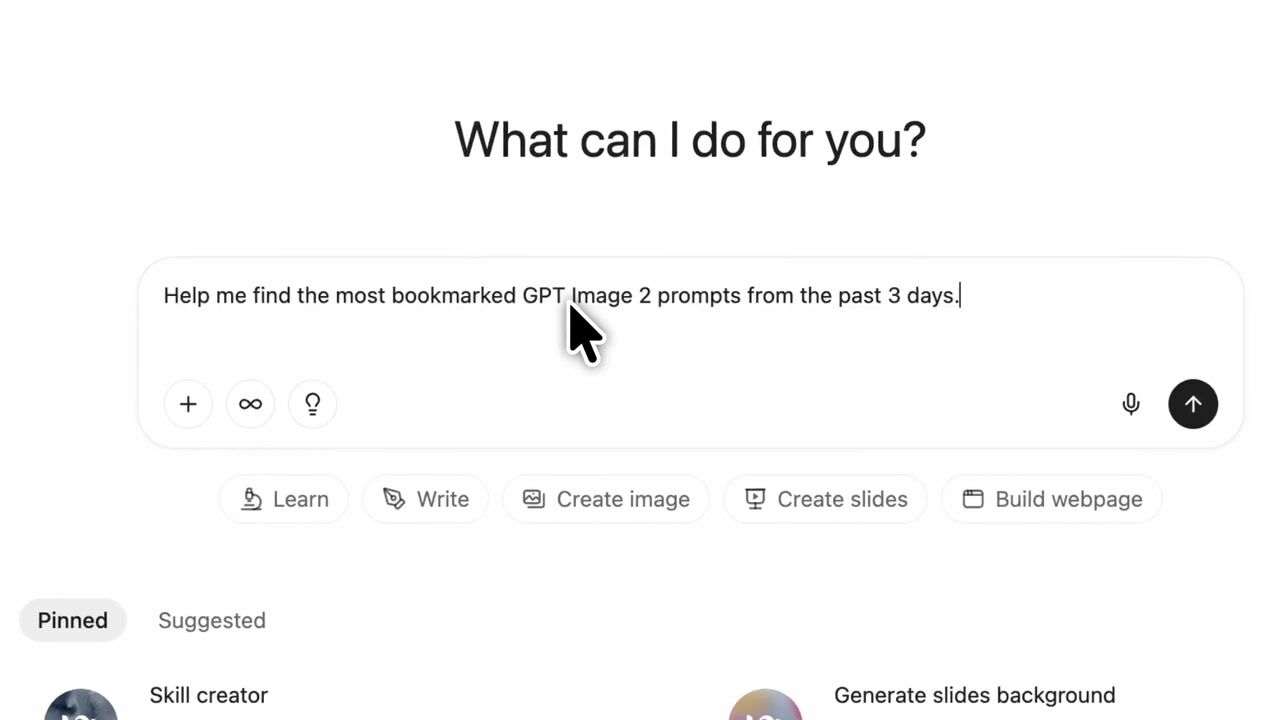
دع الذكاء الاصطناعي يبحث بين عشرات الآلاف من المطالبات. صفِّ حسب النموذج والنطاق الزمني والكلمات المفتاحية، ورتّب حسب التفاعل مثل المشاهدات والإشارات المرجعية وإعادات النشر وغيرها.