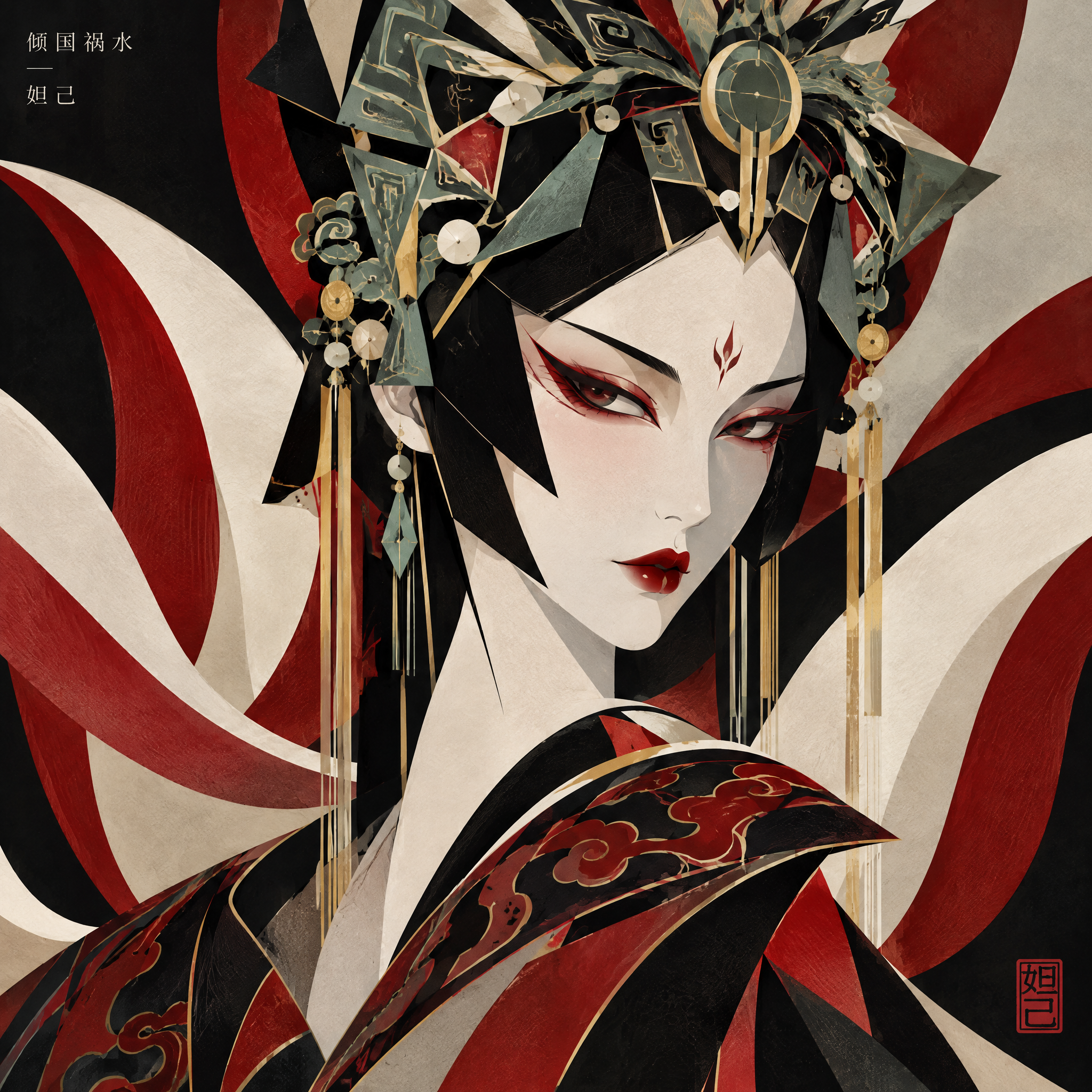
Modern Opera Character Posters
Reimagine opera and historical figures
Description
Recommended by
Shuting@YouMind
Why we love this skill
Translates the cultural DNA of opera and historical figures into bold geometry, modern color, and original facial-makeup structures for wallpapers, social posts, and Sichuan opera face-changing series.
Transform Chinese opera, historical, and literary figures into original art posters and phone wallpapers designed for contemporary aesthetics, bringing traditional culture from the stage to phone screens and social media. Whether it’s opera figures such as Guan Yu, Mu Guiying, and Sun Wukong, or fictional characters such as Qiao Feng and Linghu Chong, each can be redesigned as a distinctive modern East Asian character based on their identity, temperament, and iconic props. Rather than recreating traditional costumes or directly copying painted faces, this Skill extracts facial structures, clothing silhouettes, poses, props, and opera patterns, translating them into geometric forms, bold color blocks, hand-drawn lines, abstract symbols, and asymmetrical compositions. Traditional colors are modernized and combined with negative space, flat backgrounds, and controlled high-saturation tones to create a clean, youthful, artistic visual system—avoiding realistic stage effects, cheap “neo-Chinese” styling, and overly elaborate decoration. Customize the design by theme and mood, aspect ratio, background color, degree of modernization, and cultural elements to retain. It can also redesign the features of a person in a photo as an opera-inspired visual character. For phone wallpapers, the composition prioritizes the character and preserves negative space suitable for a lock screen; for social media posters, it uses publish-ready proportions and concise Chinese typography. With a “Sichuan opera face-changing” theme, it can also develop multiple painted-face states of the same character into a poster series.
Related Skills
View all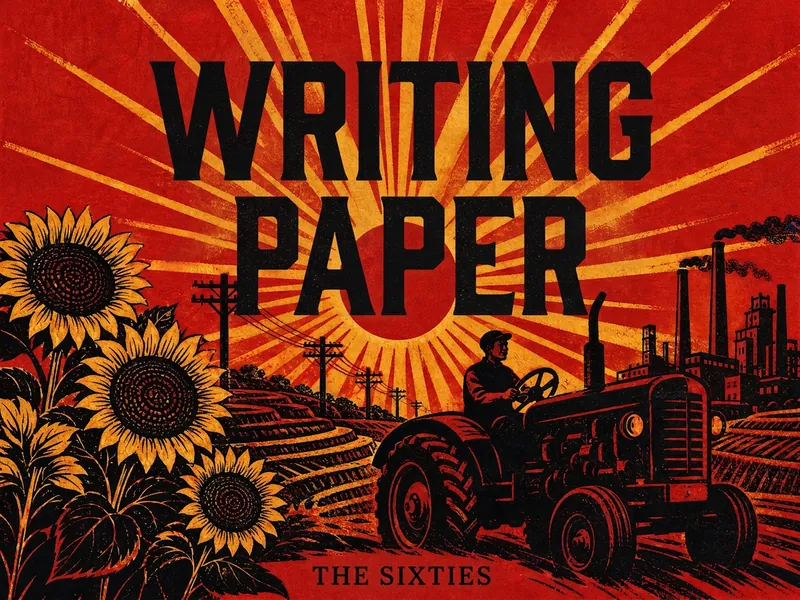 Image
ImageModern Chinese Era Visuals
Transform titles, themes, or graphics into visual designs inspired by modern Chinese eras, suitable for book covers, posters, cards, illustrations, typography, and social media graphics. Simply provide the text, target era, design format, and aspect ratio to receive a visual concept tailored to your theme. If no ratio is specified, a portrait cover composition can be used. Supports a range of styles from the 1920s–30s Republic of China period and the 1940s through the 2000s, including Eastern Constructivism, War of Resistance woodcut, revolutionary realism, understated literary design, humanistic minimalism, and digital visual styles. Each era-based style presents a distinct design language through its color palette, composition, typography, graphics, and print texture—for example, geometric display lettering, woodcut marks, limited-color flat fills, asymmetrical layouts, paper grain, and balanced negative space. Whether you need a literary book cover, an era-themed poster, or a simple Chinese title design, you can evoke the aesthetics of the corresponding period while keeping the text clear and the composition clean. Supports common aspect ratios including 1:1, 2:3, 3:2, 4:3, 16:9, and 9:16, making it suitable for publishing visuals, exhibition promotion, content graphics, and personal creative work.
 Image
ImageDark 3D Literary Characters
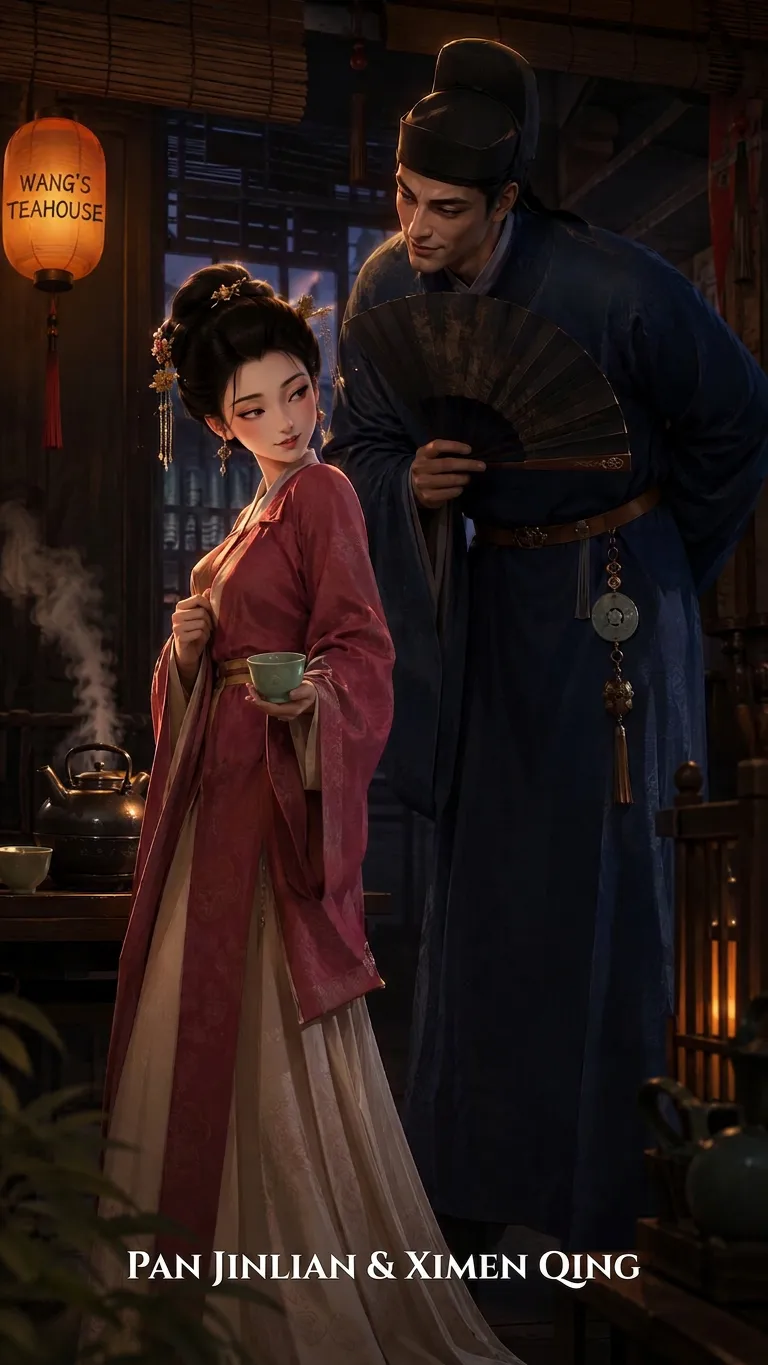
Transform characters from *Romance of the Three Kingdoms*, *Water Margin*, *Journey to the West*, *Dream of the Red Chamber*, and other Chinese classical works into polished 3D cartoon game characters that remain recognizable without written labels. Whether depicting generals, warriors, monks, scholars, women, immortals, or monsters, the skill combines each character’s identity, stage of life, and defining experiences with visual designs grounded in the historical setting—reducing timeline errors, lookalike characters, and cultural mismatches. You’ll receive a complete character-recognition-focused design plan covering silhouette, signature weapons and accessories, clothing materials, color palettes, pose and expression, environmental mood, and differentiation from similar characters. It also accounts for common image-generation inaccuracies involving ancient Chinese clothing, weapons, and character types. When the source material is uncertain, references are checked first to determine the appropriate period and visual direction. The skill supports both character illustration and scene-based requests. It can produce reusable, copyable image-generation Prompts, specify image dimensions, and review the result for period accuracy, key symbols, colors, cultural traits, pose and structure, and overall recognizability—making corrections and iterations when needed. It is suitable for classical literature character concepts, game character development, visual design, and Chinese-style AI image generation.
 Image
ImagePersonal Brand Fashion Poster
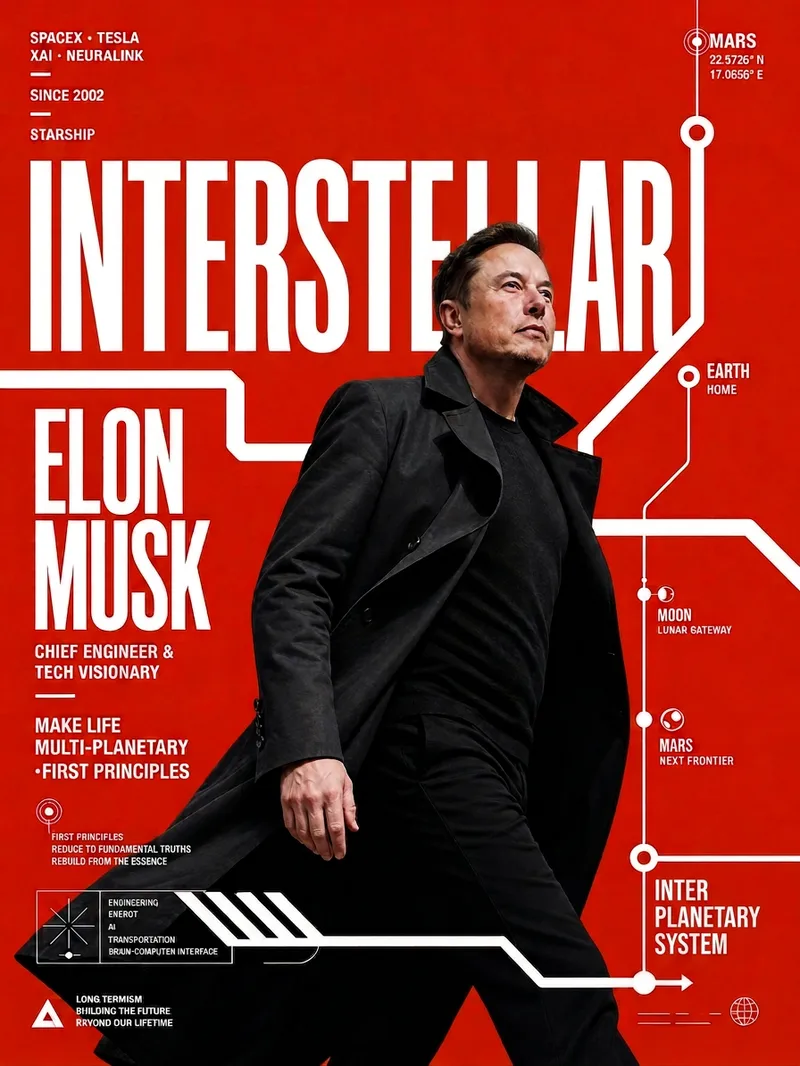
Turn a portrait and personal profile into a fashion-forward visual poster with a distinctive personal brand identity. Whether you provide a real photo or a cartoon character, it can serve as the subject reference. By combining your name, profession, keywords, philosophy, notable experiences, desired tone, and brand details, the Skill creates a more editorial and stylish personal image. When key information is missing, it first helps confirm the details instead of inventing titles, numbers, or achievements. The poster centers on the subject and extends their positioning into a complete visual world. Oversized Chinese typography, modernist fonts, airport wayfinding elements, and route-map-like line systems create visual connections between the person, brand name, profession, and theme. Rather than simply placing the subject in the center of a background, it integrates them into the typography and graphic structure through a high-end fashion photography approach, with a natural, intelligent, and slightly bold look and pose. It is suitable for creators, designers, consultants, entrepreneurs, culture professionals, and personal brands. You can specify the brand colors, on-image text, whether to preserve the portrait’s recognizability, and the output ratio. If no colors are provided, the primary color scheme is determined based on your field, personality, theme, and audience. The final deliverable is a vertical personal brand poster primarily in Chinese, optionally paired with brief English information, along with the reasoning behind the chosen primary colors, the core text, the personal information extracted, and the direction for the subject’s styling.
Modern Opera Character Posters
Reimagine opera and historical figures
Description
Recommended by
Shuting@YouMind
Why we love this skill
Translates the cultural DNA of opera and historical figures into bold geometry, modern color, and original facial-makeup structures for wallpapers, social posts, and Sichuan opera face-changing series.
Transform Chinese opera, historical, and literary figures into original art posters and phone wallpapers designed for contemporary aesthetics, bringing traditional culture from the stage to phone screens and social media. Whether it’s opera figures such as Guan Yu, Mu Guiying, and Sun Wukong, or fictional characters such as Qiao Feng and Linghu Chong, each can be redesigned as a distinctive modern East Asian character based on their identity, temperament, and iconic props. Rather than recreating traditional costumes or directly copying painted faces, this Skill extracts facial structures, clothing silhouettes, poses, props, and opera patterns, translating them into geometric forms, bold color blocks, hand-drawn lines, abstract symbols, and asymmetrical compositions. Traditional colors are modernized and combined with negative space, flat backgrounds, and controlled high-saturation tones to create a clean, youthful, artistic visual system—avoiding realistic stage effects, cheap “neo-Chinese” styling, and overly elaborate decoration. Customize the design by theme and mood, aspect ratio, background color, degree of modernization, and cultural elements to retain. It can also redesign the features of a person in a photo as an opera-inspired visual character. For phone wallpapers, the composition prioritizes the character and preserves negative space suitable for a lock screen; for social media posters, it uses publish-ready proportions and concise Chinese typography. With a “Sichuan opera face-changing” theme, it can also develop multiple painted-face states of the same character into a poster series.
Related Skills
View allImageModern Chinese Era Visuals
Transform titles, themes, or graphics into visual designs inspired by modern Chinese eras, suitable for book covers, posters, cards, illustrations, typography, and social media graphics. Simply provide the text, target era, design format, and aspect ratio to receive a visual concept tailored to your theme. If no ratio is specified, a portrait cover composition can be used. Supports a range of styles from the 1920s–30s Republic of China period and the 1940s through the 2000s, including Eastern Constructivism, War of Resistance woodcut, revolutionary realism, understated literary design, humanistic minimalism, and digital visual styles. Each era-based style presents a distinct design language through its color palette, composition, typography, graphics, and print texture—for example, geometric display lettering, woodcut marks, limited-color flat fills, asymmetrical layouts, paper grain, and balanced negative space. Whether you need a literary book cover, an era-themed poster, or a simple Chinese title design, you can evoke the aesthetics of the corresponding period while keeping the text clear and the composition clean. Supports common aspect ratios including 1:1, 2:3, 3:2, 4:3, 16:9, and 9:16, making it suitable for publishing visuals, exhibition promotion, content graphics, and personal creative work.
ImageDark 3D Literary Characters
Transform characters from *Romance of the Three Kingdoms*, *Water Margin*, *Journey to the West*, *Dream of the Red Chamber*, and other Chinese classical works into polished 3D cartoon game characters that remain recognizable without written labels. Whether depicting generals, warriors, monks, scholars, women, immortals, or monsters, the skill combines each character’s identity, stage of life, and defining experiences with visual designs grounded in the historical setting—reducing timeline errors, lookalike characters, and cultural mismatches. You’ll receive a complete character-recognition-focused design plan covering silhouette, signature weapons and accessories, clothing materials, color palettes, pose and expression, environmental mood, and differentiation from similar characters. It also accounts for common image-generation inaccuracies involving ancient Chinese clothing, weapons, and character types. When the source material is uncertain, references are checked first to determine the appropriate period and visual direction. The skill supports both character illustration and scene-based requests. It can produce reusable, copyable image-generation Prompts, specify image dimensions, and review the result for period accuracy, key symbols, colors, cultural traits, pose and structure, and overall recognizability—making corrections and iterations when needed. It is suitable for classical literature character concepts, game character development, visual design, and Chinese-style AI image generation.
ImagePersonal Brand Fashion Poster
Turn a portrait and personal profile into a fashion-forward visual poster with a distinctive personal brand identity. Whether you provide a real photo or a cartoon character, it can serve as the subject reference. By combining your name, profession, keywords, philosophy, notable experiences, desired tone, and brand details, the Skill creates a more editorial and stylish personal image. When key information is missing, it first helps confirm the details instead of inventing titles, numbers, or achievements. The poster centers on the subject and extends their positioning into a complete visual world. Oversized Chinese typography, modernist fonts, airport wayfinding elements, and route-map-like line systems create visual connections between the person, brand name, profession, and theme. Rather than simply placing the subject in the center of a background, it integrates them into the typography and graphic structure through a high-end fashion photography approach, with a natural, intelligent, and slightly bold look and pose. It is suitable for creators, designers, consultants, entrepreneurs, culture professionals, and personal brands. You can specify the brand colors, on-image text, whether to preserve the portrait’s recognizability, and the output ratio. If no colors are provided, the primary color scheme is determined based on your field, personality, theme, and audience. The final deliverable is a vertical personal brand poster primarily in Chinese, optionally paired with brief English information, along with the reasoning behind the chosen primary colors, the core text, the personal information extracted, and the direction for the subject’s styling.
Find your next favorite skill
Explore more curated AI skills for research, creation, and everyday work.