A detailed design prompt for high-end mixed-media collage posters with an airy, minimalist aesthetic, splitting the composition between a realistic photo and a digital collage.
Prompt
Please make each photo I upload into an independent high-end design poster, no multi-photo stitching, outputting each photo separately. Use a 3:4 vertical composition, with the top and bottom areas strictly 1:1, each occupying 50% of the frame.
The upper part preserves the original photo, maintaining the subject's identity, structure, posture, realistic texture, natural light/shadow, and original color atmosphere, with only slight professional color grading to give it an art magazine, independent publication, or exhibition image texture. To fit the aspect ratio, the background environment can be naturally extended, but the subject must not be stretched, distorted, or altered.
The lower part first understands the core theme, relationship of subjects, structural trends, emotional atmosphere, and visual memory points of the original photo, then reconstructs it as a whitespace digital mixed-media collage insert. Do not copy the photo object by object, and do not fill the screen; instead, remove irrelevant details, keeping only the structures, trends, and visual clues that best represent the original. Re-summarize through photo fragments, fine black line art, handwritten annotations, paper textures, and a few collage shapes so that the correspondence with the photo above can be recognized at a glance.
The composition follows the logic of a small centered frame surrounded by large amounts of whitespace. The true visual subject is controlled in a small area in the center of the bottom half, placed in a clean, wide background like a magazine insert, scrapbook page, or collage card. The subject doesn't need to be fully unfolded and can be moderately cropped, compressed, or combined, with only minimal auxiliary line art, paper scraps, arrows, symbols, or small text notes around it to form a relaxed yet restrained editorial relationship. Whitespace is not just an empty background; it is a vital part that creates a sense of breath, space, and rhythm with the subject.
The visual language uses digital mixed-media collage: it can combine small photographic parts, simple black fine-line doodles, handwriting, paper collage marks, light tape or sticky note elements, but the overall style must be restrained, light, and quiet—no heavy manual stacking or complex decorations. The subject remains clear, and auxiliary elements only serve to emphasize the theme, supplement memory, and optimize the layout without forming a new visual center.
The color scheme is based on a light, airy palette dominated by low-saturation light blue and white, fine-tuned based on the photo above. Overall, use light blue, mist blue, powder blue, white, or off-white as the large background area, supplemented by black fine lines for structure, a small amount of dark blue for rhythm, and a touch of light yellow, pale gold, or minimal warm colors for highlights. The colors are calm, light, healing, and clean, like the relationship between a soft sky and paper, avoiding high saturation, cluttered colors, dirtiness, or excessive vintage vibes.
Minimal text intervention, no language restrictions. Feel free to extract a few words, short phrases, or notes based on the subject, location, action, emotion, or memory. Use a small, restrained, relaxed text style with a handwritten or editorial feel, naturally distributed around the subject or on the edges of the whitespace, like light annotations in a magazine insert rather than commercial titles.
The overall presentation features a small subject, large artistic whitespace, a light blue and white theme, a combination of photos and line art, paper-textured collage, and a light, relaxed editorial insert feel, referencing minimal mixed-media collage / whitespace scrapbook layout / centered editorial collage / airy zine-inspired layout. Avoid full-page collages, complex backgrounds, cluttered decorations, commercial template looks, cheap scrapbook styles, and object-by-object redrawing.
How to use this prompt
1
Copy the full prompt above.
2
Open a platform that supports GPT Image 2, such as YouMind, and paste the prompt in.
3
Swap the subject, style, or details to fit your idea, then generate.
This is a free AI prompt from YouMind's prompt library. Explore thousands more image prompts, all free to copy and adapt.
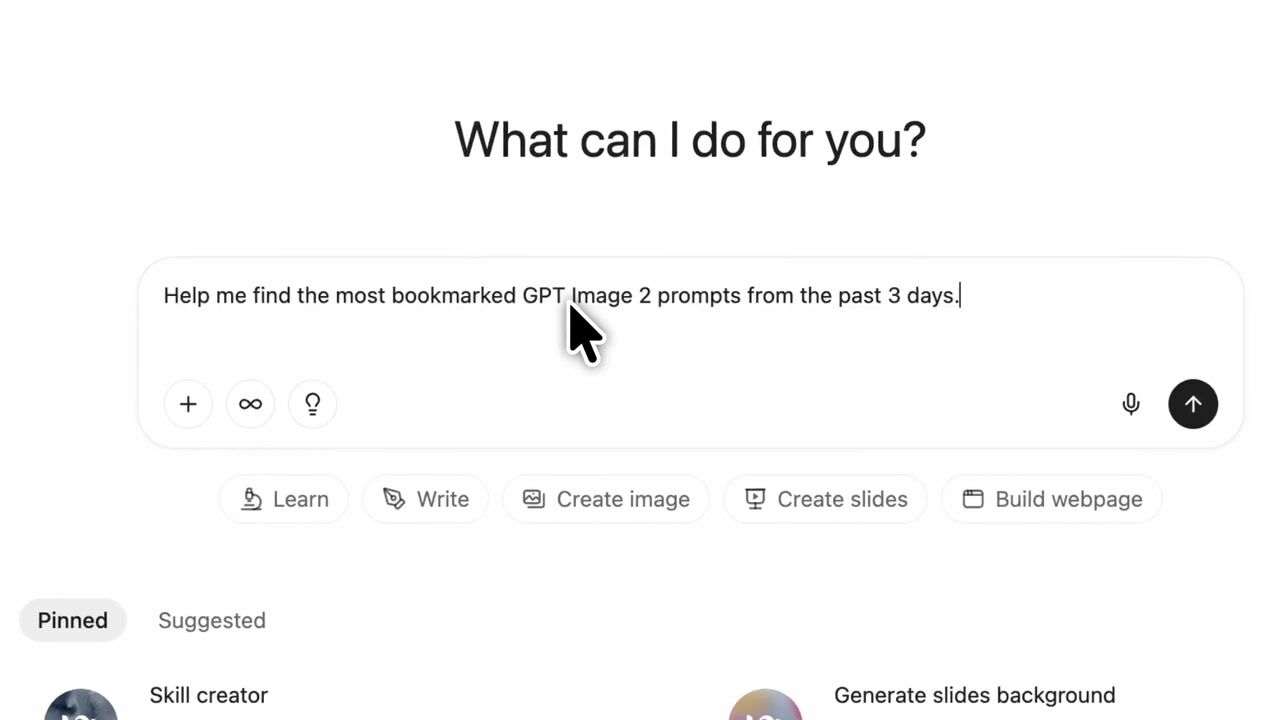
Let AI search through tens of thousands of prompts. Filter by model, time range, keywords, and sort by engagement — views, bookmarks, reposts and more.
Turn any photo into a detailed AI image prompt. The free image to prompt converter analyzes composition, style, and lighting so you can recreate any look in seconds.