레트로 일본식 수상 장애물 TV 쇼
2000년대 후반 일본 스포츠 엔터테인먼트 쇼의 감성을 재현한 시네마틱 프롬프트로, 야간에 펼쳐지는 고난도 수상 장애물 코스를 담고 있습니다.
프롬프트
30초 분량의 16:9 와이드스크린, 매우 사실적인 실사 대규모 수상 장애물 경쟁 쇼를 생성하세요. 전체적인 연출은 2000년대 후반에서 2010년대 초반 일본 대규모 스포츠 엔터테인먼트 특집 프로그램의 생방송 품질을 따릅니다. 무대는 야간의 거대한 야외 수상 경기장이며, 대형 경기용 풀장 위에 전체 코스가 구축되어 있고, 주변에는 대형 조명탑, 강철 트러스, 관중석, 스태프 구역 및 실제 TV 제작 장비들이 배치되어 있습니다. 실제 스포츠 프로그램 촬영을 위한 멀티 카메라 기법을 사용하세요: ENG 카메라, 지브 카메라, 트랙 팔로우 샷, 망원 렌즈, 낮은 앵글의 수면 샷, 고정된 측면 장애물 카메라 등이 포함됩니다. 모든 샷은 장애물을 통과하는 캐릭터의 움직임을 중심으로 구성됩니다. 사실적인 TV 생방송 품질: 자연스러운 패닝, 줌, 포커스 팔로잉, 캐릭터 트래킹, 미세한 ENG 카메라 움직임, 초기 HDTV 특유의 약간 부드러운 화질, 자연스러운 TV 압축 효과, 그리고 현장 대형 조명에 의한 실제적인 명암 대비를 구현하세요. 전체 과정은 자연스러운 실제 속도와 실시간 물리 법칙을 따릅니다. [필수 캐릭터 일관성] 업로드된 이미지 {{Mixed 1}}은 도전자 캐릭터의 유일한 시각적 참조 자료입니다. 캐릭터의 정체성, 이목구비, 얼굴형, 헤어스타일, 머리색, 피부톤, 연령대, 키, 체형, 신체 비율, 의상, 전반적인 태도를 엄격하게 유지하세요. 첫 프레임부터 마지막까지 동일한 캐릭터를 유지해야 합니다. 멀티 카메라 전환, 정면, 측면, 후면, 로우 앵글, 망원, 전신 액션, 달리기, 점프, 넘어짐, 기어오르기, 매달리기, 정상 도달 등 모든 상황에서 정체성, 얼굴, 신체 비율, 의상이 일관되게 유지되어야 합니다. 의상은 업로드된 이미지와 동일한 복장을 유지하며, 색상, 구조, 재질, 착용 스타일이 고정되어야 합니다. 의상, 신발, 액세서리를 변경, 추가, 제거하거나 재디자인하지 마세요. 원본 이미지에 보이지 않는 의상의 측면이나 뒷면은 기존 이미지의 색상, 구조, 재질 및 디자인 논리에 따라 일관되게 완성해야 하며, 새로운 의상을 만들어내지 마세요. [코스 연속성] 전체 영상은 동일하게 지속되는 야간 수상 경기장에서 진행됩니다. 세 가지 장애물이 물리적 공간 순서대로 연결됩니다: 롤링 실린더 장애물 → 흔들리는 좁은 다리 → 곡선형 높은 벽. 캐릭터는 동일한 트랙을 따라 연속적으로 전진해야 합니다. 모든 카메라 컷은 이전 샷에서 캐릭터가 도달한 위치와 진행 상황을 이어받아야 합니다. 장애물, 풀장, 플랫폼, 관중석, 대형 조명의 위치 관계는 연속적이고 안정적으로 유지됩니다. [30초 타임라인] 0~3.2초: 도전자 등장 [다리 클로즈업 → 상반신 미디엄 샷 → 얼굴 클로즈업] 영상은 도전자의 다리 클로즈업으로 시작됩니다. 카메라는 자연스럽게 위로 팬(pan)합니다: 다리 → 허리와 상반신 → 얼굴 클로즈업. 캐릭터는 출발 플랫폼 중앙에 서 있습니다. 배경에는 밝게 빛나는 대형 수상 장애물 코스, 강철 구조물, 많은 관중이 보입니다. 캐릭터는 여유롭고 자신감 넘치는 모습입니다. 카메라가 얼굴에 도달하면 자연스럽게 카메라를 응시하며 밝게 미소 짓습니다. 이어 가볍게 주먹을 쥐고 가슴 앞에서 짧고 자신감 있는 도전 포즈를 취합니다. 관중들은 즉시 박수와 환호를 보냅니다. 캐릭터는 앞쪽 트랙을 향해 몸을 돌립니다. 미소가 사라지고 표정이 진지해집니다. 살짝 몸을 앞으로 숙이고 전력 질주할 준비를 합니다. 짧고 긴장감 넘치는 정적. 3.2~9초: 1단계: 대형 롤링 실린더 장애물 [3.2~4.3초: 슈퍼 와이드 지브 샷] 출발 신호음이 울립니다. 캐릭터는 즉시 출발선에서 전력 질주합니다. 대형 지브 카메라가 경기장 전체와 첫 번째 장애물을 빠르게 보여줍니다. 수면 위에는 여러 개의 큰 부드러운 원통형 롤러가 연속적으로 배치되어 있습니다. 관중들이 환호성을 터뜨립니다. [4.3~6.5초: 대각선 전면 ENG 트래킹] 캐릭터가 빠른 속도로 롤러에 접근합니다. 첫 번째 대형 롤러에 발을 딛습니다. 접촉하는 순간, 롤러는 체중을 받아 사실적으로 회전하기 시작합니다. 캐릭터의 몸은 회전 관성으로 인해 살짝 뒤로 쏠립니다. 그녀는 즉시 양팔을 넓게 벌려 균형을 잡습니다. 그 후 짧고 빠른 발걸음으로 앞으로 나아갑니다. 발을 디딜 때마다 롤러는 힘에 따라 회전합니다. 캐릭터의 모습이 약간 서툴게 보이기 시작합니다. [6.5~8초: 측면 트랙 트래킹] 트랙 카메라가 캐릭터와 평행하게 빠른 속도로 이동합니다. 캐릭터가 회전하는 롤러들을 건너갑니다. 한 발을 내딛는 순간, 오른발이 확실하게 미끄러집니다. 몸이 즉시 옆과 뒤로 기울어집니다. 팔을 빠르게 휘두르고 허리를 비틀며, 다른 발로 즉시 롤러 위에서 중심을 잡습니다. 캐릭터는 넘어지지 않습니다. 균형을 되찾은 후 즉시 다시 질주를 시작합니다. [8~9초: 후면 망원] 캐릭터가 마지막 롤러에서 힘차게 앞으로 점프합니다. 양발이 고정된 플랫폼에 착지합니다. 착지 시 무릎이 자연스럽게 굽혀지며 충격을 흡수하기 위해 몸이 눈에 띄게 가라앉습니다. 즉시 일어나 앞으로 계속 달립니다. 1단계 통과 성공. 9~20초: 2단계: 흔들리는 좁은 다리 거대한 수상 흔들리는 좁은 다리 장애물이 나타납니다. 길고 좁으며 미끄럽고 약간 탄성이 있는 부드러운 다리가 큰 풀장 위에 놓여 있습니다. 머리 위 강철 기계 축에는 여러 개의 거대한 부드러운 추(pendulum)가 매달려 있습니다. 추들은 다리 양옆에서 서로 다른 위상으로 지속적으로 좌우로 흔들립니다. 캐릭터는 추의 리듬을 판단하면서 앞과 옆에서 휘두르는 거대한 부드러운 망치를 피해 좁은 다리를 따라 전진해야 합니다. 이 단계에서 캐릭터는 상당히 서툴게 보입니다. [9~11초: 와이드 지브 샷] 캐릭터가 흔들리는 다리 앞으로 달려옵니다. 높은 곳에서 촬영한 샷은 큰 풀장, 좁은 다리, 머리 위 기계 구조물, 순차적으로 흔들리는 거대한 부드러운 추들을 완전히 보여줍니다. 각 추는 명확하고 연속적이며 비동기적인 기계적 흔들림 궤적을 가집니다. 캐릭터는 아주 짧은 시간 관찰합니다. 첫 번째 추 하나가 그녀의 앞을 가로질러 흔들립니다. 지나가자마자 즉시 좁은 다리에 발을 딛고 전력 질주를 시작합니다. [11~14초: 대각선 전면 ENG / 트랙 트래킹] 첫 번째 추 하나가 왼쪽에서 캐릭터를 향해 흔들립니다. 캐릭터는 상체를 빠르게 숙이며 앞으로 나아가 추를 어깨 위로 지나가게 합니다. 즉시 두 번째 추 하나가 오른쪽에서 돌아옵니다. 캐릭터는 즉시 몸을 옆으로 틀고 어깨를 움츠리며 추와 다리 가장자리 사이의 좁은 틈을 통과합니다. 세 번째 추 하나가 빠르게 앞을 휩씁니다. 캐릭터는 짧은 점프를 이용해 추의 최하점 근처의 흔들림 영역을 뛰어넘습니다. 전체 과정은 연속적인 전진 움직임을 유지합니다. 캐릭터는 멈춰서 추 하나하나가 멈추기를 기다릴 수 없습니다. 추의 움직임에 맞춰 보폭을 조절하며 앞으로 달려야 합니다. 움직임에는 긴장감, 서두름, 서투름이 역력합니다. [14~16초: 낮은 수면 샷] 카메라가 거의 수면 높이에 있습니다. 거대한 부드러운 추 하나가 전경을 가로질러 빠른 속도로 휩씁니다. 추 하나가 프레임을 잠시 가립니다. 캐릭터는 그 뒤의 좁은 다리 위에서 전진하고 있습니다. 다음 추 하나가 캐릭터의 측후면에서 돌아옵니다. 캐릭터가 알아차렸을 때는 완전히 피할 수 없습니다. 부드러운 추 하나가 캐릭터의 어깨와 상반신 측면에 사실적인 부드러운 충격을 가합니다. 충격의 힘으로 캐릭터의 무게 중심이 즉시 바뀝니다. 어깨가 반대편으로 밀립니다. 상체가 크게 뒤틀립니다. 미끄러운 좁은 다리 위에서 발이 두 번 헛디뎌집니다. 팔은 본능적으로 넓게 휘저으며 균형을 되찾으려 합니다. [16~18초: 측면 ENG 미디엄 샷] 캐릭터는 결국 물에 빠지지 않습니다. 하지만 균형은 완전히 무너집니다. 그녀는 좁은 다리 위에 확실하게 주저앉거나 반쯤 넘어집니다. 엉덩이와 한 손이 다리 표면에 실제로 닿습니다. 한 다리는 앞으로 미끄러지고, 다른 다리는 지탱하기 위해 굽혀집니다. 이는 진정으로 완성된 넘어지는 동작입니다. 표면에 부딪힌 후 아주 짧은 서툰 정지가 발생합니다. 캐릭터는 먼저 다음 추의 위치를 확인하기 위해 위를 쳐다봅니다. 얼굴에는 당황, 충격, 약간의 당혹감이 나타납니다. 또 다른 추 하나가 그녀의 앞을 가로질러 흔들리지만 다시 부딪히지는 않습니다. 관중들이 터져 나옵니다: 헉 하는 소리 → 웃음 → 환호. [18~20초: 후면 트래킹] 캐릭터는 즉시 손을 사용하여 다리를 밀고 다시 일어납니다. 움직임은 시작할 때보다 눈에 띄게 더 서두르는 모습입니다. 머리카락, 의상, 몸은 일어나는 동작에 따라 자연스럽게 흔들립니다. 균형을 되찾으며 캐릭터는 계속 전진합니다. 마지막 추 하나가 옆에서 흔들립니다. 그녀는 제때 상체를 숙여 추를 머리 위로 지나가게 합니다. 그러고 나서 빠르게 다리의 나머지 부분을 달려 건너가 출구 고정 플랫폼으로 점프합니다. 흔들리는 다리를 성공적으로 떠납니다. 캐릭터는 쉬기 위해 멈추지 않습니다. 명백한 피로감을 보이며 마지막 장애물을 향해 전력 질주합니다. 20~27초: 최종 단계: 곡선형 높은 벽 전체 코스의 가장 큰 마지막 장애물인 거대한 곡선형 높은 벽이 나타납니다. 벽은 지면에서 위로 곡선을 그리며 올라가며, 꼭대기로 갈수록 가팔라집니다. 벽의 꼭대기는 캐릭터보다 훨씬 높습니다. 벽 꼭대기 뒤에는 명확하게 보이는 고정된 결승 플랫폼이 연결되어 있습니다. 플랫폼 중앙에는 큰 빨간색 결승 버튼이 설치되어 있습니다. 이 시점에서 캐릭터는 두 개의 장애물을 통과했습니다. 호흡이 눈에 띄게 거칠어집니다. 움직임은 여전히 전력을 다하는 모습입니다. 마지막 높은 벽은 단 한 번만 도전합니다. [20~22초: 전면 망원] 캐릭터가 곡선형 높은 벽을 향해 직선으로 전력 질주합니다. 망원 렌즈가 공간을 압축하여 거대한 벽이 캐릭터 바로 앞에 있는 것처럼 보이며 프레임의 대부분을 차지합니다. 달리는 동안 팔을 크게 휘두릅니다. 보폭이 점차 커집니다. 얼굴은 피로하지만 포기하지 않는 집중된 표정을 유지합니다. 관중들이 일어나기 시작합니다. 현장의 환호성이 빠르게 커집니다. [22~24.5초: 벽 측면 로우 샷] 캐릭터가 전속력으로 곡선형 벽을 향해 질주합니다. 첫 발이 벽 밑바닥에 강하게 착지합니다. 그 후 달리기 관성을 이용하여 빠르게 벽을 몇 걸음 올라갑니다. 각 걸음마다 확실한 발 접촉, 다리 힘, 그에 따른 몸의 상승이 나타납니다. 몸이 점차 앞으로 뻗어 나갑니다. 가장 높은 지점에서: 캐릭터가 양손을 동시에 위로 뻗습니다. 손이 벽 꼭대기 가장자리를 성공적으로 잡습니다. 몸이 벽에서 떨어집니다. 다리가 잠시 공중에 매달립니다. 팔이 체중을 지탱합니다. [24.5~27초: 벽 꼭대기 측면 ENG + 망원 클로즈업] 캐릭터의 손이 벽 꼭대기를 단단히 잡습니다. 먼저 잠시 매달립니다. 그러고 나서 팔을 굽혀 힘을 주어 상체를 벽 꼭대기 쪽으로 끌어당깁니다. 어깨, 팔, 등은 실제 무게를 지탱하는 것과 일치하는 힘을 보여줍니다. 가슴이 점차 벽 가장자리에 접근합니다. 한 손이 더 안정적인 그립으로 다시 조정합니다. 캐릭터의 오른쪽 다리가 반복적으로 위로 들어 올려집니다. 첫 번째 시도는 꼭대기에 닿지 못합니다. 그녀는 즉시 다시 코어에 힘을 주고 다리를 위로 휘두릅니다. 오른쪽 무릎이 벽 가장자리에 성공적으로 걸립니다. 영상은 관중들에게 '해냈어, 이제 곧 넘어갈 거야'라는 명확한 기대를 주어야 합니다. 캐릭터의 얼굴에는 피로, 노력, 긴장, 그리고 성공의 희망을 본 흥분이 나타납니다. 관중들의 환호성이 절정에 달합니다. 27~30초: 성공적인 뒤집기 → 버튼 누르기 → 승리의 표정 엔딩 [27~28.3초: 벽 꼭대기 측면 미디엄 샷] 오른쪽 무릎이 벽 꼭대기에 단단히 걸려 있습니다. 그녀는 양손으로 벽 가장자리를 계속 누르면서 오른쪽 다리를 안쪽으로 당깁니다. 팔의 당김과 다리의 지지가 함께 몸을 더 위로 밀어 올립니다. 가슴이 벽 가장자리를 통과합니다. 복부가 잠시 벽 가장자리에 눌립니다. 그러고 나서 무게 중심이 벽 바깥쪽에서 안쪽으로 사실적으로 이동합니다. 왼쪽 다리가 자연스럽게 들어 올려지며 벽 가장자리를 넘어갑니다. 캐릭터가 곡선형 높은 벽을 성공적으로 뒤집어 넘어갑니다. 전체 뒤집기 과정은 연속적으로 완료되어야 합니다. 꼭대기로 순간 이동하지 마세요. 매달리기, 힘주기, 무릎 걸기, 무게 중심 이동 과정을 생략하지 마세요. [28.3~29.2초: 결승 플랫폼 ENG 트래킹] 벽 꼭대기를 넘어간 후, 양손과 한쪽 무릎이 먼저 결승 플랫폼에 닿습니다. 그녀는 즉시 손을 사용하여 땅을 밀고 일어납니다. 피로 때문에 일어나는 동작에 약간 비틀거림이 있습니다. 하지만 즉시 안정됩니다. 캐릭터는 빠르게 두 걸음 앞으로 나아갑니다. 오른손을 뻗어 플랫폼 중앙의 큰 빨간색 결승 버튼을 힘차게 누릅니다. 손바닥이 버튼을 누르기 전에 실제 접촉이 이루어져야 합니다. 완전히 눌리면 빨간색 신호등이 즉시 켜집니다. 동시에 명확하고 큰 성공 신호음이 울립니다. 현장 타이머가 공식적으로 멈춥니다. [29.2~30초: 캐릭터 승리의 얼굴 클로즈업] 결승 신호음이 울린 후, 샷은 즉시 캐릭터의 얼굴 클로즈업으로 전환됩니다. 캐릭터는 거칠게 숨을 몰아쉽니다. 달리기, 넘어짐, 격렬한 움직임으로 머리카락이 약간 헝클어졌지만, 헤어스타일, 색상, 길이는 업로드된 이미지와 일관되게 유지됩니다. 캐릭터는 먼저 자신의 성공을 믿을 수 없다는 표정을 짓습니다. 그러고 나서 결승 신호등이 켜진 것을 확인합니다. 즉시 카메라를 응시합니다. 얼굴에는 놀라움 + 안도감 + 자부심 + 웃음을 멈출 수 없는 실제 승리의 표정이 나타납니다. 캐릭터는 가볍게 주먹을 들어 올려 시작할 때의 도전 포즈를 재현할 수 있습니다. 승리의 얼굴 클로즈업을 영상의 유일한 마지막 프레임으로 유지하세요. 전체 관중의 거대한 환호, 박수, 성공 신호음 속에서 끝납니다. [물리적 피드백] 모든 장애물은 캐릭터의 신체와 실시간 물리적 관계를 가져야 합니다. 롤러: 발을 디딤 → 힘에 의해 롤러가 회전함 → 캐릭터의 무게 중심이 바뀜 → 캐릭터가 균형을 되찾기 위해 보폭을 조절함. 흔들리는 다리: 기계 축이 계속 작동함 → 부드러운 추들이 고정된 호를 따라 흔들림 → 추 하나가 캐릭터에게 접근함 → 캐릭터가 숙이거나, 옆으로 피하거나, 점프하여 피함 → 추 하나가 캐릭터의 어깨와 측면에 사실적으로 접촉함 → 충격력이 캐릭터의 무게 중심을 바꿈 → 캐릭터가 비틀거림 → 좁은 다리 위에 진정으로 넘어짐 → 신체와 다리 표면 사이의 실제 접촉 → 캐릭터가 손을 사용하여 다시 일어남 → 마지막 추를 피함 → 흔들리는 다리를 성공적으로 떠남. 높은 벽: 도움닫기 → 벽을 밟음 → 달리기 관성이 몸을 위로 밀어 올림 → 손이 벽 꼭대기를 잡음 → 몸이 잠시 매달림 → 팔과 등 근육이 몸을 끌어올림 → 무릎이 벽 꼭대기에 걸림 → 무게 중심이 벽 가장자리를 넘어감 → 성공적으로 결승 플랫폼 위로 뒤집어 넘어감. 결승 버튼: 캐릭터가 버튼에 접근함 → 오른손이 버튼에 접근함 → 손바닥이 버튼에 실제 접촉함 → 힘에 의해 버튼이 눌림 → 신호등이 켜짐 → 성공 신호음이 울림 → 타이머가 멈춤. 결과는 충돌이나 접촉이 발생하기 전에 나타날 수 없습니다. 모든 동작은 명확한 원인 → 접촉 → 힘 → 신체 피드백 → 최종 결과의 과정을 가져야 합니다. 캐릭터는 좁은 다리에서 물에 빠져서는 안 됩니다. 캐릭터는 높은 벽에서 떨어져서는 안 됩니다. 캐릭터는 기어오르는 동작을 완료하지 않고 갑자기 결승 플랫폼에 나타나서는 안 됩니다. [캐릭터 연기 곡선] 캐릭터의 감정은 경쟁에 따라 자연스럽게 변해야 합니다: 시작: 아름답고, 자신감 있고, 여유로움 → 롤러: 긴장하기 시작하지만 여전히 잘 처리함 → 흔들리는 다리: 명백한 서투름, 당황, 실제 넘어짐 → 다시 일어남: 지기 싫어하며 질주를 계속함 → 높은 벽: 피로하고 모든 것을 쏟아부음 → 벽 꼭대기를 잡음: '드디어 성공할 기회가 왔다'는 흥분 → 무릎을 걸음: 긴장하고 힘을 주며 한계에 다다름 → 성공적인 뒤집기: 짧은 불신 → 결승 버튼 누르기: 성공의 완전한 확인 → 끝: 놀라움, 안도감, 자부심, 행복. 캐릭터는 전문 운동선수 같은 완벽한 퍼포먼스가 아닙니다. 전반적으로 대규모 엔터테인먼트 경쟁에 참여하는 실제 평범한 성인 도전자의 자연스러운 신체 반응을 유지합니다. 최종 성공하더라도 캐릭터의 움직임에는 실제 피로, 서투름, 헐떡임, 약간의 비틀거림, 현장 반응이 남아 있어야 합니다. [사운드 디자인] 전체적으로 실제 대규모 TV 스포츠 엔터테인먼트 쇼 현장 사운드를 유지하세요. 포함 항목: 출발 신호음, 실시간 관중 환호, 박수, 헉 하는 소리, 현장 웃음, 라이브 해설, 캐릭터의 달리기 발소리, 기계식 롤러 회전 소리, 추 기계 축 작동 소리, 추들이 빠르게 휩쓰는 공기 소리, 부드러운 추들이 몸에 부딪히는 둔탁한 소리, 캐릭터가 좁은 다리에 넘어질 때의 플랫폼 접촉 소리, 캐릭터의 거친 숨소리, 벽 밟는 소리, 손으로 벽 가장자리를 잡을 때의 마찰 소리, 뒤집을 때 의상이 벽 꼭대기에 닿는 마찰 소리, 결승 버튼 누르는 소리, 성공 신호음, 현장 타이머 멈춤 소리. 라이브 해설은 캐릭터의 행동에 따라 실시간으로 변해야 합니다. 추 하나가 캐릭터를 쳐서 넘어지게 하면 관중들이 확실하게 헉 소리를 냅니다. 캐릭터가 다시 일어나면 지속적인 격려와 함께 환호가 재개됩니다. 캐릭터가 벽 꼭대기를 잡으면 환호가 빠르게 커집니다. 캐릭터가 성공적으로 무릎을 걸면 해설 톤이 확실히 흥분됩니다. 캐릭터가 벽을 뒤집어 넘어가면 경기장 전체가 거대한 환호성으로 가득 찹니다. 결승 버튼이 눌린 후 환호, 박수, 성공 신호음이 함께 절정에 달합니다. BGM은 일본 스포츠 엔터테인먼트 특집 분위기의 긴장감 넘치는 기악곡입니다. 경쟁 진행에 따라 점차 강렬해집니다. 캐릭터가 벽 꼭대기를 잡을 때 가장 긴장감 넘치는 구간으로 진입합니다. 성공적으로 뒤집고 버튼을 누를 때 명확하고 벅찬 승리의 클라이맥스를 형성합니다. [촬영 규칙] 실제 대규모 TV 경쟁 쇼의 멀티 카메라 라이브 논리를 적용합니다. 샷은 다음을 우선시합니다: 캐릭터의 위치, 장애물의 종류, 캐릭터가 통과하는 방식, 충돌이 발생한 이유, 캐릭터가 최종 도전을 완료하는 방법. 와이드 샷은 장애물 공간을 설정합니다. 미디엄-롱 샷은 전체 동작을 보여줍니다. 측면 트랙 샷은 달리기와 움직임을 커버합니다. 낮은 수면 샷은 추의 크기와 다리의 높이를 강조합니다. 고정된 측면 장애물 카메라는 추의 궤적, 캐릭터의 회피, 충돌 과정을 명확하게 보여줍니다. 망원 렌즈는 캐릭터의 긴장된 표정과 마지막 벽 질주를 커버합니다. ENG 미디엄-클로즈 샷은 캐릭터의 서툰 반응, 넘어짐, 다시 일어남, 벽 꼭대기에서의 힘쓰기를 커버합니다. 결승 플랫폼 클로즈업은 버튼 누르기와 최종 승리의 표정을 커버합니다. 카메라 컷은 자연스럽고 날카로우며, 실제 TV 쇼의 하드 컷 리듬을 유지합니다. 경쟁이 후반부로 갈수록 컷 빈도가 자연스럽게 증가합니다. 각 컷은 이전 샷의 캐릭터 신체 자세, 움직임 방향, 위치, 진행 상황을 이어받아야 합니다. [최종 필수 제약 사항] 전체 스토리 시퀀스를 엄격하게 유지해야 합니다: 1. 캐릭터 등장: 다리 클로즈업 → 상반신 → 얼굴 → 미소 → 주먹 쥐기. 2. 롤러 장애물: 약간의 균형 상실이 발생하지만 성공적으로 통과. 3. 흔들리는 좁은 다리: 캐릭터가 교대로 흔들리는 여러 개의 큰 부드러운 추들을 피하며 전진. 추 하나가 캐릭터의 어깨와 측면을 사실적으로 쳐야 함. 캐릭터는 다리 위에서 진정한 넘어지는 동작을 수행해야 함. 캐릭터는 물에 빠져서는 안 됨. 그 후 다시 일어나 마지막 추를 피하고 계속 진행해야 함. 4. 곡선형 높은 벽: 단 한 번의 벽 달리기 시도. 실제로 벽을 달려 올라가 양손으로 꼭대기를 성공적으로 잡아야 함. 5. 성공 기대감 조성: 캐릭터가 꼭대기에 매달려 끌어올리기 시작함. 오른쪽 무릎이 꼭대기에 성공적으로 걸려야 함. 관중들에게 그녀가 넘어갈 수 있다는 명확한 기대감을 주어야 함. 6. 성공적인 뒤집기: 팔 당기기와 다리 지지를 사용하여 가슴, 복부, 무게 중심을 가장자리 너머로 연속적으로 이동시킴. 매달리기부터 뒤집기까지의 과정을 완전히 보여주어야 함. 순간 이동 금지, 주요 힘쓰기 단계 생략 금지. 7. 결승 버튼 누르기: 뒤집어 넘어간 후 즉시 일어남. 앞으로 나아가 오른손으로 빨간색 버튼을 사실적으로 누름. 신호등, 신호음, 타이머 정지 전에 손바닥 접촉과 버튼 눌림이 발생해야 함. 8. 승리의 얼굴 클로즈업: 성공 후 카메라를 응시함. 숨을 몰아쉬는 모습, 놀라움, 안도감, 자부심, 실제 미소가 담긴 얼굴 클로즈업으로 마지막 장면을 장식함. 전체 감정 구조: 자신감 있는 등장 → 도전 시작 → 점차 서툴러짐 → 실제 넘어짐 → 끈기 → 벽을 오르기 위해 모든 것을 쏟아부음 → 벽 꼭대기를 잡음 → 힘을 쓰기 위해 다리를 검 → 성공적인 뒤집기 → 버튼 누르기 → 승리의 표정 엔딩. 전체적으로 실시간으로 진행됩니다. 동작 속도는 자연스럽고 실제와 같으며, 리듬은 명확하고 경쾌하며 날카롭습니다. 캐릭터 일관성, 의상 일관성, 코스 연속성, 장애물 연속성, 실제 관성, 중력, 충돌 피드백, TV 생방송 느낌을 유지하세요.
비슷한 동영상 생성
프롬프트
이 프롬프트 사용법
- 1
위의 전체 프롬프트를 복사하세요.
- 2
Seedance 2.0을 지원하는 플랫폼(예: YouMind)을 열고 프롬프트를 붙여넣으세요.
- 3
원하는 아이디어에 맞게 주제, 스타일, 세부 정보를 바꾼 뒤 생성하세요.
이것은 YouMind 프롬프트 라이브러리의 무료 AI 프롬프트입니다. 복사하고 변형해 쓸 수 있는 수천 개의 동영상 프롬프트가 더 있습니다.
더 많은 동영상 프롬프트 보기


더 많은 프롬프트 기능
AI 라이브러리
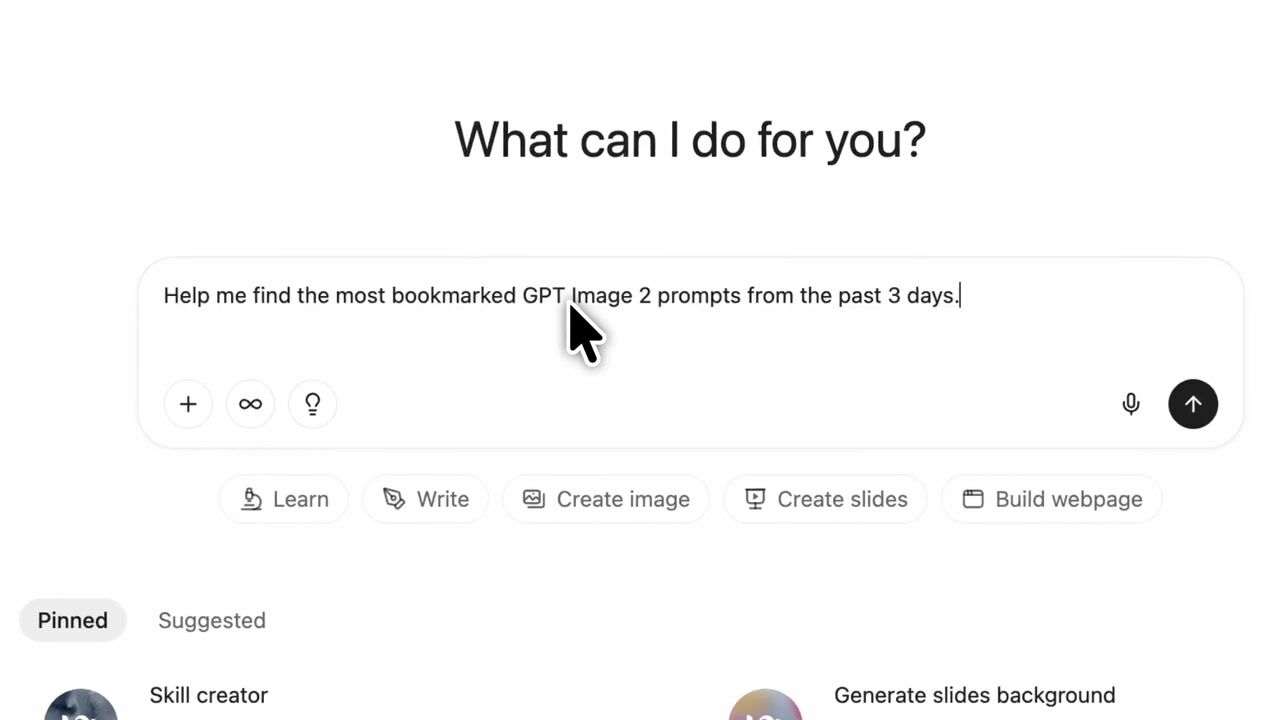
AI 프롬프트 검색
AI가 수만 개의 프롬프트를 검색해줍니다. 모델·기간·키워드로 필터링하고 노출, 북마크, 리포스트 등 인기 지표로 정렬할 수 있어요.
비전 도구
이미지를 프롬프트로
어떤 사진이든 상세한 AI 이미지 프롬프트로 변환하세요. 무료 Image to Prompt 변환기가 구도, 스타일, 조명을 분석해 몇 초 만에 같은 느낌을 재현할 수 있습니다.
크리에이터를 위해, 영원히 무료.
YouMind는 전 세계 크리에이터가 신뢰하는 AI 창작 파트너입니다. 이곳의 모든 프롬프트는 더 빠르고 더 나은 창작을 돕기 위해 엄선되었습니다.